
How to store firewood for maximum efficiency
If you rely on firewood for heating or enjoy cosy fires during the colder months, proper storage is key to ensuring it burns efficiently. Wet or improperly stored wood can be difficult to light, produce excessive smoke, and generate less heat.
So how do you store firewood for maximum efficiency? Below, we have provided some useful tips for storing firewood correctly, and getting the best performance out of your logs.
1. Choose the right firewood
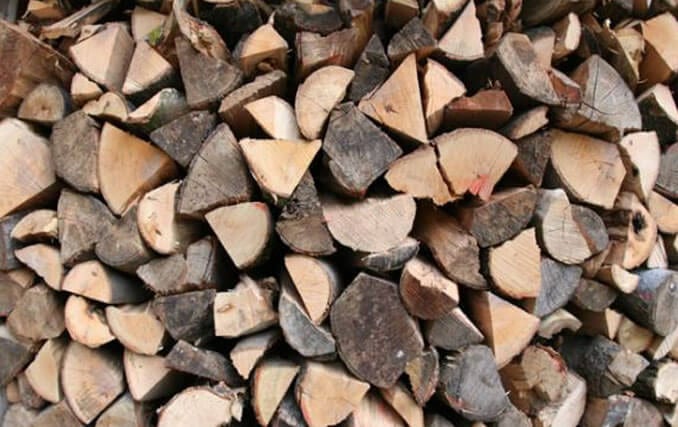
Before storing your firewood, make sure you’re using high-quality logs. Hardwood species like oak, ash, and beech burn longer and hotter than softwoods like pine, which burn quickly and produce more creosote (a sticky, flammable residue).
Kiln-dried or well-seasoned wood with a moisture content below 20% is ideal for clean and efficient burning.
At Simpson Arboriculture, all our logs are kiln-dried, hardwood and are Ready to Burn approved.
2. Keep firewood dry and well-ventilated
Moisture is the biggest enemy of firewood. To keep your logs dry:
- Stack wood off the ground – Use a pallet, bricks, or a firewood rack to prevent dampness from the soil.
- Allow air circulation – Stack logs in a way that lets air flow through, helping to dry the wood further.
- Cover the top, but leave the sides open – A simple tarp, roof, or firewood shelter will protect from rain, while open sides allow moisture to escape.
3. Store firewood in the right location
- Outside storage – Firewood should be stored outdoors rather than inside the home or garage to prevent insect infestations and mould.
- Avoid stacking against walls – Leave a gap between the firewood and any walls or fences to improve airflow and reduce the risk of rot.
- South-facing locations – If possible, store firewood in a sunny, breezy area to speed up drying.
4. Rotate your stock
Use the first in, first out method to ensure you’re always burning the driest wood. Stack new firewood behind or next to older, drier wood so that the most seasoned logs are used first.
5. Keep pests away
Woodpiles can attract insects and rodents, so:
- Store wood at least a few feet away from your home to prevent pests from moving indoors.
- Avoid stacking directly on the ground to keep bugs and moisture at bay.
- Don’t spray wood with pesticides—burning treated wood can release harmful chemicals.
6. Season your own firewood
If you’re cutting and drying your own firewood:
- Split logs into smaller pieces to speed up drying.
- Stack wood in single rows for maximum exposure to air and sun.
- Let wood season for at least 6-12 months, depending on the type of wood.
7. Test firewood before burning
To check if your firewood is ready to burn:
- Look for cracks – Well-seasoned wood often has visible cracks at the ends.
- Listen to the sound – Dry logs produce a sharp, hollow sound when knocked together, while wet wood makes a dull thud.
- Use a moisture meter – A simple moisture meter will confirm if your wood is below 20% moisture content.
Firewood: Time to get stocked up
Proper firewood storage ensures your logs are dry, efficient and ready to burn when you need them. Whether you’re heating your home or enjoying a firepit outdoors, following these storage tips will help you get the most heat and longest burn time from your wood.
Need high-quality kiln-dried firewood? Get in touch with us for high-quality, Ready to Burn logs. These are available all year round and are delivered for free within 10 miles of Ancaster. For more information or to place an order, please visit our online log store.