Who Is Responsible for Trees on Boundary Lines?
Trees can sometimes become a source of confusion between neighbours, especially when branches stretch across fences, leaves fall into nearby gardens, or a tree sits directly on a boundary line. One of the most common questions we’re asked is: who is actually responsible for the tree?
While every situation can be slightly different, there are some general rules that can help homeowners understand their responsibilities and rights when it comes to boundary trees.
What is a boundary tree?
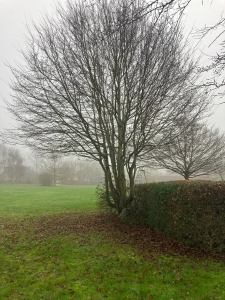
A boundary tree is usually a tree whose trunk sits directly on, or very close to, the boundary line between two properties.
In most cases, responsibility depends on where the main trunk is located:
- If the trunk is entirely within one property, the tree usually belongs to that property owner.
- If the trunk straddles the boundary line, the tree may be considered jointly owned by both neighbours.
This can sometimes make decisions around maintenance, pruning or removal more complicated, particularly if both parties have different opinions on what should happen.
Who is responsible for maintenance?
Generally, the owner of the tree is responsible for its maintenance and overall condition.
This includes:
- Managing the health and safety of the tree
- Arranging inspections if there are concerns
- Carrying out any necessary pruning or maintenance work
- Ensuring the tree does not present an unreasonable risk
If a tree is jointly owned, both neighbours may share responsibility for decisions and costs.
Can you cut back branches overhanging your property?
Under UK common law, a property owner is usually entitled to prune branches or roots that cross into their property boundary. This is often referred to as the “right to abate”.
However, there are some important points to remember:
- You can only cut back to the boundary line
- Work should not damage or destabilise the tree
- You remain responsible for arranging and paying for the work on your side
- Any cuttings technically still belong to the tree owner and should be offered back to them
It is always sensible to speak with your neighbour before any work is carried out, even where you may legally be entitled to do it.
What about dangerous trees?
If a tree appears unsafe, diseased or storm damaged, it is important to act quickly.
The tree owner may be responsible if they were aware — or reasonably should have been aware — that the tree posed a risk and failed to take appropriate action.
Signs that may indicate a problem include:
- Large dead branches
- Cracks or splits in the trunk
- Sudden leaning
- Fungal growth around the base
- Significant storm damage
A qualified arborist can inspect the tree and provide professional advice on its condition and any recommended work.
Trees in conservation areas or protected by TPOs
Before carrying out any tree work, it is important to check whether the tree is protected.
Some trees are covered by:
- Tree Preservation Orders (TPOs)
- Conservation Area restrictions
In these cases, permission from the local authority may be required before pruning or removal can take place — even if the branches extend into your property.
Our advice: Keep communication friendly
Boundary trees can easily become a source of tension between neighbours, particularly when there are concerns about shade, debris, blocked gutters or property damage.
At the end of the day, most situations are best resolved through open and friendly communication. We always encourage customers to have a conversation with their neighbours first and try to reach an amicable agreement wherever possible.
As tree surgeons, our role is to provide professional advice on the condition and management of trees. Clear communication and a practical approach usually lead to the best outcome for everyone involved.
Need professional tree advice?
If you’re unsure about the condition of a boundary tree or would like professional guidance on suitable maintenance work, our team is always happy to help.
We can assess tree health, advise on safe and appropriate pruning, and help ensure any work is carried out professionally and in line with current regulations.
To find out more, you can get in touch with us via our website. Our friendly team would be happy to discuss the work with you and answer any questions you may have.