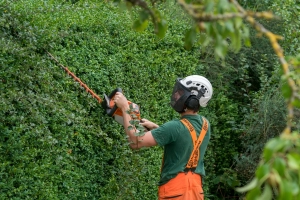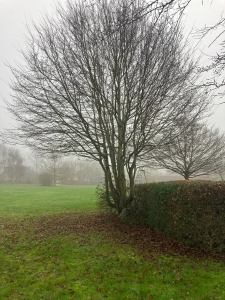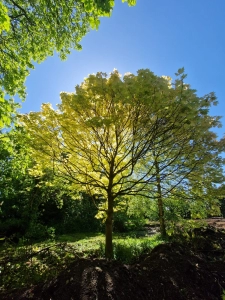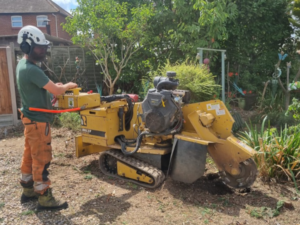
Overhanging branches, blocked light and falling leaves creeping into your garden can all lead to one common question: Can I prune my neighbour’s tree?

The short answer is yes — in some circumstances. However, there are important legal considerations, neighbourly etiquette and tree protection laws to be aware of before organising for any work to be carried out.

Here’s what homeowners in the UK should know.

Can I cut back branches hanging over my property?

In the UK, you generally have the legal right to cut back branches or roots from a neighbour’s tree if they cross over your property boundary. This is known as your “right to abate a nuisance”.

However, there are a few important conditions:

  • You can only cut back to the boundary line
  • You must not go onto your neighbour’s property without permission
  • You should avoid causing unnecessary damage to the tree
  • You remain responsible for carrying out the work safely

We would always recommend contacting a qualified tree surgeon to carry out any pruning work, to ensure that the pruning supports the health of the tree, and that work is completed to a high standard.

Who owns the cut branches?

Legally, any branches, fruit or cuttings removed from the tree still belong to the tree owner — your neighbour.

It is considered good practice to offer the cuttings back to them rather than simply disposing of them. In reality, many neighbours will not want them, but offering first helps avoid unnecessary disputes.

Should I speak to my neighbour first?

Absolutely.

Even if you are legally entitled to prune the overhanging growth, a friendly conversation beforehand can prevent misunderstandings and maintain good relationships.

Your neighbour may:

  • Already be planning work on the tree
  • Prefer to arrange professional pruning themselves
  • Be unaware the tree is causing an issue

Approaching the situation politely often leads to the best outcome for everyone involved.

What If the tree has a Tree Preservation Order (TPO)?

If the tree is protected by a Tree Preservation Order (TPO) or located within a conservation area, permission from the local authority may be required before any pruning work takes place — even if the branches extend into your garden.

Carrying out unauthorised work on a protected tree can lead to significant fines.

If you are unsure whether a tree is protected, your local council or a professional arborist can help check before work begins.

What if the tree is dangerous?

If a neighbour’s tree appears unsafe or is causing damage, it is best to raise the issue with them as soon as possible.

Signs may include:

  • Dead or hanging branches
  • Large cracks in the trunk
  • Significant leaning
  • Fungal growth around the base
  • Storm damage

Where there is genuine risk, a qualified tree surgeon can inspect the tree and provide advice or a written report if needed.

The importance of professional tree pruning

Improper pruning can permanently damage a tree, create safety risks and even make future problems worse.

Professional tree surgeons understand:

  • Correct pruning techniques
  • British Standards for tree work
  • Tree biology and health
  • Safe climbing and dismantling methods
  • Legal restrictions and permissions

Whether the issue is overhanging branches, excessive shading or storm damage, expert advice can help resolve matters safely and responsibly. Simpson Arboriculture are fully qualified, experienced and insured, so both you and your neighbour can rest assured that everything is taken care of.

Final thoughts

So can I prune my neighbour’s tree? Yes, you can usually prune parts of a neighbour’s tree that cross into your property — but only within certain limits.

The best approach is always:

  1. Speak with your neighbour first
  2. Check for legal protections
  3. Use professional advice where needed
  4. Avoid damaging the tree

Handled properly, tree-related issues can often be resolved quickly and amicably without escalating into disputes.

If you are unsure how to proceed, a qualified tree surgeon such as Simpson Arboriculture can assess the situation and recommend the safest course of action.

If you are interested in finding out more, you can get in touch with us via our website. Our friendly team would be happy to discuss thew work with you and answer any questions you may have.

If you’re considering having a tree removed, one of the first questions you’ll likely have is: how much will it cost?

The honest answer is that tree removal can vary quite a bit depending on the job. Every tree and every site is different, so pricing is usually based on a number of factors rather than a fixed fee. That said, understanding what influences the cost can help you get a clearer idea of what to expect.

At Simpson Arboriculture, we aim to keep our prices realistic and affordable, whilst prioritising quality and a high standard of work.

Typical cost ranges

As a general guide, smaller jobs that can be completed within a few hours will usually fall in the hundreds of pounds.

Larger or more complex removals that take a full day (or longer) can cost £1,000 – £1300 or more.

Our team at Simpson Arboriculture usually work on day rates depending on the size of the crew and the equipment required.

These figures are only a guide, and the actual cost will depend on the specifics of the work involved. We do also have to factor in travel to and from site which is something to be aware of.

What affects the cost of tree removal?

There are several key factors that determine how much a tree removal job will cost:

1. Size and type of tree

Larger trees take more time, labour and equipment to remove. A small ornamental tree is generally far quicker and easier to deal with than a mature oak or beech.

2. Location and access

Access is one of the biggest influences on cost. If the tree is in an open space with easy access for our team and any machinery, the work is more straightforward.

However, if it’s in a back garden with limited access, overhanging buildings, or close to roads, fences or power lines, the job becomes more technical and time-consuming.

3. Complexity of the job

Some trees can be felled in one piece, while others need to be carefully dismantled in sections. This often involves climbing, rigging and lowering branches safely to the ground, which increases the time and skill required.

4. Equipment needed

The type of equipment required can significantly affect the price. For example:

  • A MEWP (Mobile Elevated Work Platform) may be needed for safer access
  • Additional machinery such as a digger or crane might be required for larger jobs
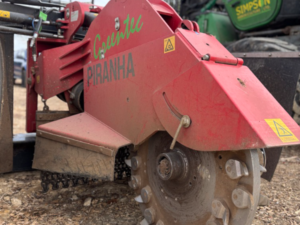
  • Wood chippers, stump grinders and other specialist tools may also be used

The more equipment involved, the higher the overall cost.

5. Number of operatives

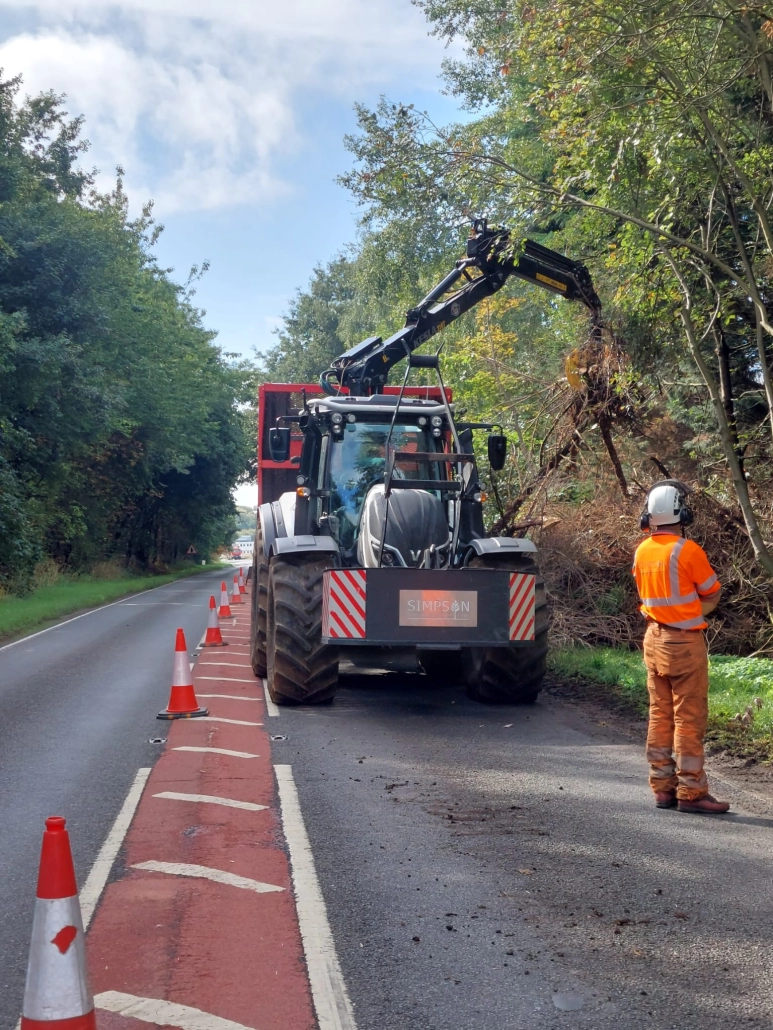
More complex or hazardous jobs often require a larger team to carry out the work safely and efficiently. For example, if the tree is close to a road, an operator may be required to manage traffic through the use stop-go boards. Alternatively, if the tree is over a footpath, again, an operator may be required to manage any footfall in order to keep members of the public safe. A job can also take longer if there are a large amount of obstacles beneath the tree for the team to avoid.

6. Waste removal

Removing and disposing of timber, branches and woodchip is usually included, but the volume of waste will affect the time and cost. Some customers choose to keep logs or woodchip, which may reduce the time slightly.

7. Stump removal

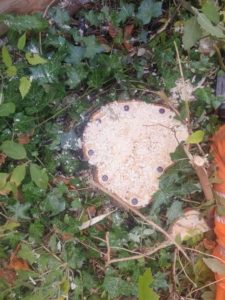
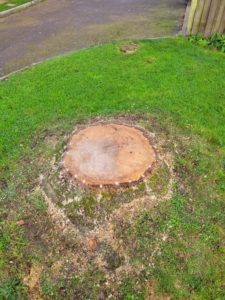
Cutting a tree down doesn’t usually include removing the stump. Stump grinding is priced separately, depending on the size and location of the stump, which determines the time needed.

Why it’s worth getting a professional quote

While it can be tempting to look for a quick estimate, the most accurate way to price a job is through a site visit. This allows us to assess:

  • Access and space
  • Tree condition and structure
  • Safety considerations
  • Equipment requirements

A professional quote ensures the job is done safely, efficiently and in line with current regulations.

A final word

Tree removal is a skilled and sometimes complex job, and costs reflect the level of expertise, equipment and planning involved. While prices can vary, investing in experienced professionals helps ensure the work is carried out safely and to a high standard.

Simpson Arboriculture is an Arb Approved contractor. This is the most prestigious accreditation in the arboricultural industry and means that customers can rest assured knowing they are choosing a team of fully qualified, insured and professional tree surgeons to carry out the work. For more information, please see the Arb Association’s information leaflet on Choosing a Tree Surgeon.

If you’re unsure about a tree on your property, getting some advice is always a good place to start. A quick visit or conversation can often clarify the best approach and give you a clearer idea of the cost. If you are interested in starting the process, you can get in touch with us in the office at Simpson Arboriculture- we are always happy to discuss this with you further and arrange a site visit.

Do I need permission to cut my tree down? It’s a question we’re asked regularly –  and the answer isn’t always a simple yes or no.

In many cases, you can carry out work to trees on your own property. But there are some important rules in place across the UK to protect trees, wildlife and the wider landscape. Before any work starts, it’s worth checking whether permission is required.

Here’s a straightforward guide to help you understand where you stand.

When you don’t usually need permission

If your tree is in a normal residential setting and is not protected, you can generally carry out work such as pruning or removal without applying for formal permission.

That said, there are still responsibilities:

  • You must ensure the work is safe and carried out correctly
  • You must check for wildlife (for example, nesting birds)
  • You are responsible for any damage or risk caused by the tree

Even when permission isn’t required, getting professional advice is always worthwhile – especially for larger trees or those close to buildings.

Trees in conservation areas

One of the most common reasons you do need permission is if your tree is within a conservation area.

These are designated locations with special architectural or historical importance, where trees contribute to the character of the area.

In this case:

  • You must give your local council at least 6 weeks’ notice before carrying out work
  • This is known as a Section 211 notice
  • During that time, the council can decide to place a TPO on the tree

In many conservation areas, trees above a certain size are automatically protected, even without a formal order.

Tree Preservation Orders (TPOs)

Another reason why you may need permission is if your tree is protected by a Tree Preservation Order (TPO).

A TPO is put in place by your local council to protect trees that offer significant public value. This could be because of their appearance, age, or contribution to the local environment.

If a tree has a TPO:

  • You must apply to the local authority before carrying out work. This usually takes around 8 weeks
  • This includes pruning, reducing, or removing the tree
  • Carrying out unauthorised work can lead to enforcement action and fines

Under UK guidance, a TPO makes it an offence to cut down, uproot, top or damage a protected tree without consent.

In some cases, if the tree is dead/ dying, or emergency tree work is required, you can apply under a ‘Five day notice’ rather than waiting for the full eight weeks. Although this will still be at the local authority’s discretion, and ultimately, no work should be carried out until they have approved it.

Felling licences (for woodland and larger-scale work)

For larger projects – particularly in woodland, forestry, or commercial settings – a felling licence may be required from the Forestry Commission.

In the UK:

  • It is generally illegal to fell trees without a licence unless an exemption applies
  • This applies to larger volumes of timber, rather than typical garden trees
  • Both the landowner and contractor share responsibility for compliance

Felling licences are designed to protect woodland management and ensure sustainable practices

Even if a licence is granted, you may still need to consider:

  • TPOs
  • Conservation area restrictions
  • Environmental factors (wildlife, protected sites, etc.)

Checking before any work begins

Because there are a few different rules that can apply, it’s important to make sure everything is in order before any work starts. As part of our approach at Simpson Arboriculture, we always check whether a tree is protected by a TPO, located within a conservation area, or subject to any other restrictions.

This helps avoid delays, ensures everything is carried out legally, and gives you peace of mind that the right steps have been followed. If permission is required, we can guide you through the process or handle the application on your behalf, keeping things as straightforward as possible.

So, how do you know if permission is needed?

Before any tree work, you need to check:

  • Is the property in a conservation area?
  • Is the tree covered by a TPO?
  • Is the work part of a larger-scale or commercial operation?

To find out more, you can visit the Government website page on Tree Preservation Orders and trees in conservation areas for further information.

Final thoughts

At Simpson Arboriculture, we always take the time to check whether permission is needed, so even if you aren’t sure if this applies, we have this covered. If your trees do fall within a conservation area or are subject to a TPO, we can apply to your local council on your behalf for a small admin fee. We can then oversee the whole process, giving our customers peace of mind that everything is taken care of.

If you’re thinking about having tree work carried out, feel free to get in touch with us at Simpson Arboriculture. Whether you’re ready to arrange a quote or just starting to explore your options, we’re always happy to have a chat and help you get the process underway.

Welcome to Simpson Arboriculture, your trusted local tree surgeons based in Ancaster, Lincolnshire. We take great pride in offering high standard tree work both in our local community and further afield. We have a deep-rooted passion for trees and a commitment to preserving the natural beauty of our community. In this blog, we invite you to learn more about Simpson Arboriculture, the range of services we provide and reasons why you should choose us for your next garden project.

Your Local Tree Surgeons: Who We Are

Started by William Simpson back in 2006, Simpson Arboriculture is a trustworthy, professional and well-established tree surgery company. Based on the family farm, Will and his wife Kate work full-time to ensure the smooth day-to-day running of the business. Kate runs the office while Will works daily on-site and manages multiple teams carrying out various tree work and site clearance across Lincolnshire and further afield. We 17 years’ experience, we have built up a loyal customer base and a great reputation as professional local tree surgeons.

Your Local Tree Surgeons: Our services

  1. Tree surgery. As trusted local tree surgeons, we have a great reputation for carrying out quality tree work. We specialise in carrying out tree work to ‘British Standards BS3998: 2010 Tree Work Recommendations’. This means that the finished result not only looks great, but supports the overall health of the tree.   
  • Tree removal. While trees are a fantastic asset, sometimes they do require removal. Our professional and trustworthy arborists will be able to discuss and explain the options for tree removal.
  • Hedge care and tree planting. Simpson Arboriculture offer hedge trimming and hedge reduction. We are also proud to offer both tree and hedge planting services. With extensive tree and hedge knowledge, our team are always happy to advise you.
  • Fencing. From sourcing to installation, our team at Simpson Arboriculture can manage the whole fencing project from start to finish on a wide variety of fences. We carry out the work in a professional and timely manner.
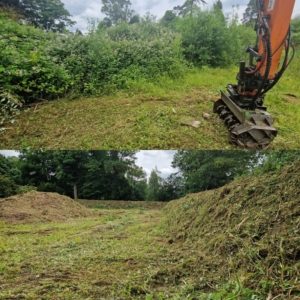
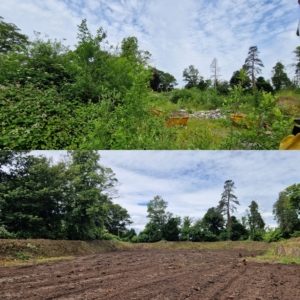
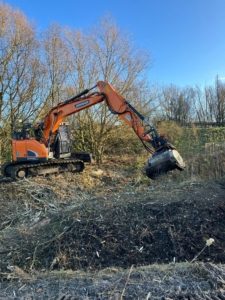
  • Site clearance. Our specialised machinery make light work of removing trees and vegetation from a site. We get the job done in the safest, most efficient and cost-effective way possible.
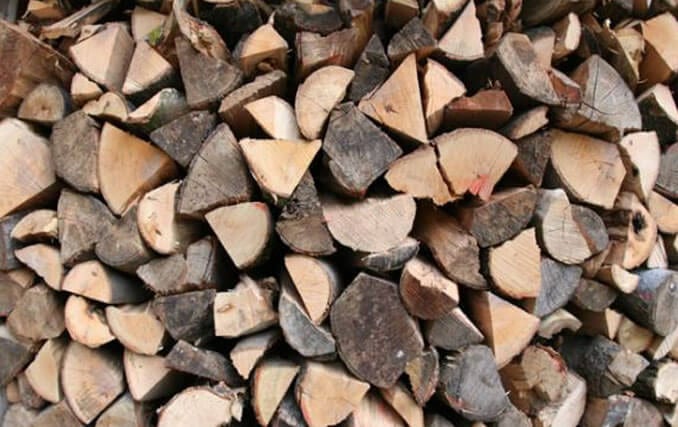
  • Firewood. Our ‘Ready to Burn’ kiln-dried, hardwood logs are available throughout the year and delivered directly to your door. Logs are sustainably sourced using BSL authorised virgin wood.

Why Choose Us?

Our team at Simpson Arboriculture consists of experienced and qualified arborists who are passionate about trees and have many years of experience.

We have been officially recognised as being qualified to perform tree work by multiple health and safety bodies. This recognises that we work safely and efficiently and carry out tree work to the highest standard. We are proud to be recognised as an Arb Approved Contractor. This is the most prestigious accreditation scheme in the arboricultural industry. It’s a great way for customers to recognise a professional and qualified tree surgery company. Customer satisfaction is always a top priority for us. We carry out work to the highest standard, giving you peace of mind from start to finish.

With a friendly and professional team, many of our customers come back year on year and recommend us to their neighbours, friends and family.

Contact Us

If you’re in interested in finding out more about how we can help with your next garden project, you can call our office or submit an enquiry via our website. We would be happy to discuss your future requirements and arrange a free quotation.

Trees are essential to our environment. They provide us with shade, clean air and a connection to nature. However, there are instances when trees need to go. Tree removal may be necessary due to safety concerns, disease or landscape requirements. At Simpson Arboriculture, our dedicated team of arborists understand the delicate balance between preserving nature and insuring safety. In this blog, we’ll explore the various reasons why trees might need to be removed and how our tree removal services can help you maintain a safe and beautiful landscape.  

Safety First: Hazardous Trees

While trees enhance the beauty of any landscape, they can also pose significant risk if they become hazardous. Trees with compromised structural integrity due to disease or storm damage can become unstable. Dead or weakened branches might fall unexpectedly, endangering people and property. Our certified arborists at Simpson Arboriculture have the expertise to assess the health of your trees and can recommend any action that might need to be taken. If tree removal is necessary, we prioritise the safety of your property and everyone around it.

Disease Control and Prevention

Trees, like any other living organisms, can fall victim to diseases that can spread to neighbouring vegetation. If a tree is diseased and this cannot be treated effectively, tree removal can be the best option. By acting promptly, you can protect the health of other trees on your property and maintain a vibrant, disease-free landscape.

Landscape enhancement

Sometimes, tree removal is necessary to enhance the aesthetics and functionality of your outdoor space. Overgrown trees might block sunlight, inhibit the growth of other plants, or disrupt the balance of your landscaping design. Our arborists can help you decide which trees should be removed to improve the overall look of your garden. We’ll also provide recommendations for suitable replacement trees to maintain the natural beauty of your landscape.  

Expert Tree Removal Services

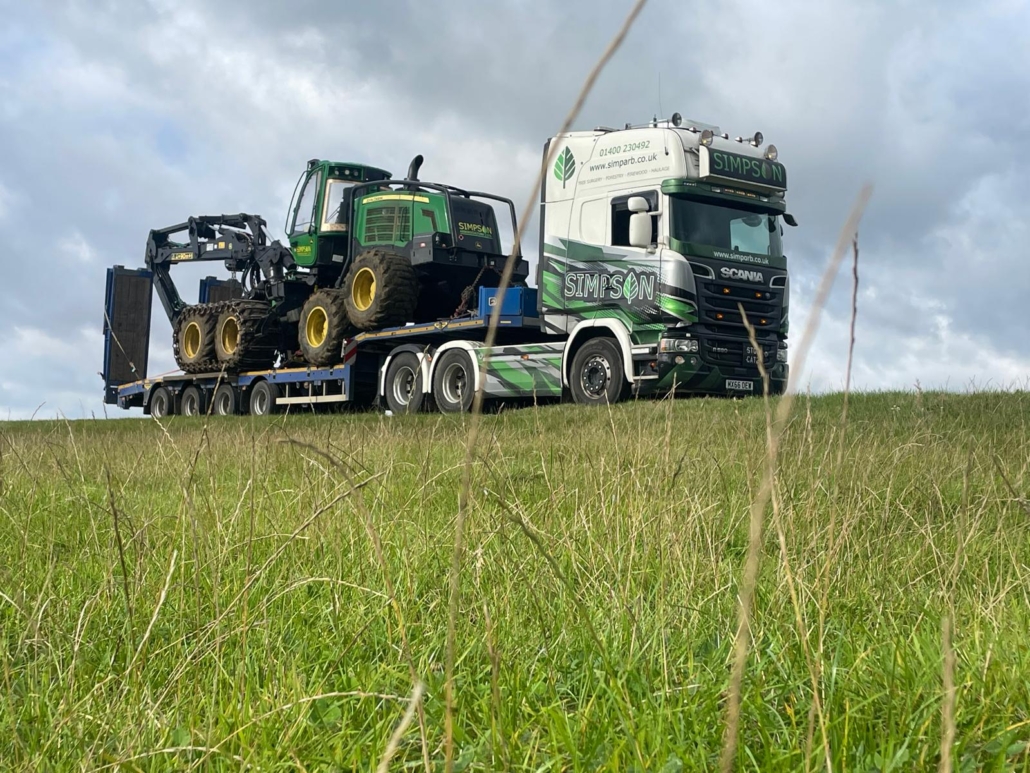
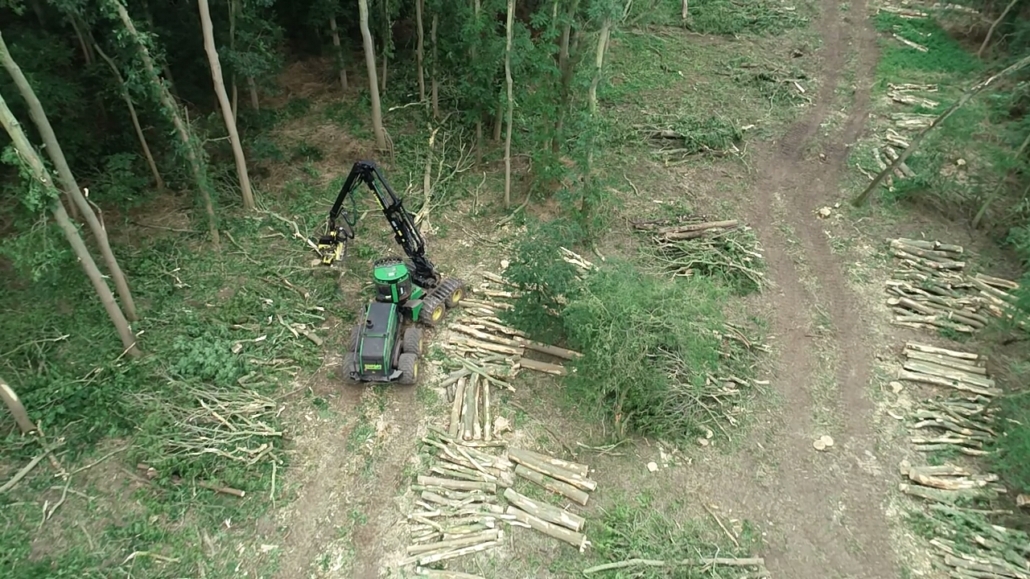
When it comes to tree removal, it’s essential to hire professionals with the right equipment, knowledge and experience. At Simpson Arboriculture, we employ a skilled team of arborists and use advanced equipment to ensure safe and efficient tree removal. We have invested in the highest range machinery available. We utilise modern techniques to get the job done quickly and efficiently. Every job is different, but we have the right tools to get the job done.

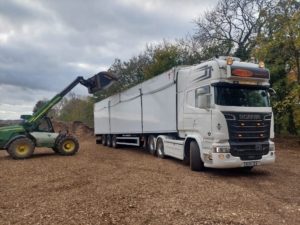
At Simpson Arboriculture, we understand the importance of taking responsibility for the environment. While tree removal is sometimes necessary, we are committed to promoting sustainable practices. We recycle 100% of our waste. Wood chippings become fuel in biomass boilers, or are used as garden mulch. All waste wood is recycled into firewood logs or used in our boilers for fuel to heat our log kiln.

Whenever possible, we explore alternative solutions, such as pruning or crown reducing a tree to mitigate risks and preserve valuable trees. Additionally, we can offer guidance on options for replanting and actively encourage this wherever possible.

Tree Removal: Get in Touch

When trees need to go, it’s essential to rely on experienced professionals who prioritise safety, health, and environmental responsibility. Simpson Arboriculture is dedicated to providing expert tree removal services that prioritise your property’s safety and beauty while minimising the impact on the environment. Whether it’s a hazardous tree, a diseased tree or landscape development, our team is here to help. You can give us a call in the office or contact us via our website.

The benefits of trees are vast. Firstly, trees are amazing for the environment. They are fantastic at removing carbon dioxide from the atmosphere, cooling air temperatures and are great for wildlife. Secondly, we all enjoy the aesthetic of a leafy green street or garden.

However, many tree owners are already aware of the risk trees can pose. This is especially important during times of turbulent and unpredictable weather.

Tree owners have a responsibility to ensure that their trees are healthy and stable. Therefore, they should ensure that any trees on their property do not pose a risk to people or property. Expert tree surgery can ensure that storm damage is prevented or minimised.

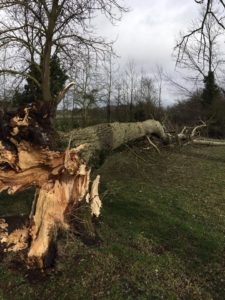
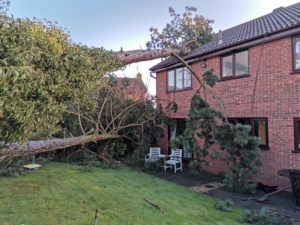
At Simpson Arboriculture, we have seen first-hand the catastrophic damage trees can do to homes and gardens during heavy storms. A falling limb can quickly destroy a garden fence or greenhouse. Moreover, a whole tree can cause huge damage to a roof or wall of a house, not to mention anyone unlucky enough to be nearby at the time.    

Simpson Arboriculture have an experienced and fully qualified team of arborists who can help. With careful inspection, pre-planning and expert tree care, these worst-case scenarios can be pre-empted and avoided.

The Role of Tree Surgery in Mitigating Storm Damage

Structurally sound trees should be able to withstand high winds and heavy rainfall. However, if trees have a weak point, overgrown branches or an unbalanced crown, storms and gale force winds can cause trees to snap and break, or even become fully uprooted. This paints a worrying picture for any homeowner and the fear of such a scenario arising can cause a huge amount of stress and worry.

Assessing and identifying potential hazards

We would always suggest keeping on top of your tree maintenance. At Simpson Arboriculture, we will come out and assess your tree work needs and advise you on what is required to keep your trees strong and healthy. This can ensure that any potential issues can be addressed. We can then plan for our team to come back and carry out the work, hopefully before any bad weather.

Techniques for storm damage resistance

As with any tree surgery we carry out, this will depend on the tree. Any work that we suggest will depend on the size, shape and health of the trees concerned. However, strategic pruning, including crown thinning and reduction can help reduce wind resistance and minimise the likelihood of branches breaking or trees falling.

Get in touch about storm damage prevention

Our team at Simpson Arboriculture are always happy to discuss your tree surgery needs with you and advise on what work might be needed. We can help keep your trees strong, stable and minimise the risk of storm damage. You can get in touch with us via our website anytime, or give us a call in the office to discuss.

Trees are vital for our environment, providing us with clean air, shade, and a connection to nature. However, just like any other living organisms, trees require care and maintenance to thrive and remain healthy. This is where tree surgery comes into play. In this blog, we will explore the fascinating world of tree surgery, its importance, and the reasons why you might need it for your trees. At Simpson Arboriculture, we can help with any of your tree surgery needs.

Understanding tree surgery

Tree surgery, also known as arboriculture, is a specialised practice that involves the care, maintenance, and management of trees. It goes beyond mere pruning and involves a range of techniques to promote tree health, safety, and aesthetics.

Our team of arborists at Simpson Arboriculture, are highly skilled professionals who have extensive and ongoing training. This means they have expertise in dealing with trees of all shapes, sizes, and species.

Tree health and safety

One of the primary reasons why tree surgery is essential is to ensure health and safety. Diseased, damaged, or structurally compromised trees pose a significant risk to people, property, and other nearby vegetation. Tree surgeons can assess the condition of your trees, identify potential hazards, and take appropriate measures to mitigate the risks. This may involve removing deadwood, stabilising weak branches, or even recommending the complete removal of a tree if it poses an immediate danger.

Tree pruning and maintenance

Regular pruning is crucial for maintaining the health and appearance of trees. Tree surgeons such as our experienced Simpson Arboriculture team have the knowledge and skills to perform pruning correctly. Proper pruning can promote proper growth, reduce the risk of disease, and enhance the overall aesthetic appeal. They can remove dead or dying branches, thin out the tree canopy to improve light, and shape trees to achieve a desired form. Proper pruning not only enhances the tree’s health but also prolongs its lifespan.

Emergency tree services

In times of storms, high winds, or other natural disasters, trees may suffer severe damage or even fall, posing immediate risks to people and property. At Simpson Arboriculture, we are equipped to provide emergency tree services, including the safe removal of fallen trees and remove debris. Our prompt response and expertise can help minimise the damage caused by such events and restore safety in affected areas.

Conclusion

Tree surgery is a specialised profession that combines scientific knowledge and practical skills to ensure the health, safety, and longevity of trees. Whether it’s pruning, tree removal or emergency services, arborists play a vital role in maintaining a harmonious relationship between humans and trees. By recognising the importance of tree surgery and seeking professional assistance when needed, we contribute to a greener, safer, and more beautiful environment for generations to come.

If you need advice on your trees or would like a quote for your tree work, call the Simpson Arboriculture team or send us an enquiry via our website. We are always happy to discuss the options with you.