
One of the questions we are often asked is whether tree work can be carried out at any time of year. The simple answer is yes – tree surgery can be undertaken throughout the year, and our team works all year round in all seasons.

However, while tree work is possible at any time, there are certain factors that need to be considered when deciding on the best time to carry out specific jobs. These include bird nesting season, tree species, weather conditions and the objectives of the work.

Bird nesting season

One of the most important considerations when planning tree work is the bird nesting season, which generally runs from March to August in the UK.

Many birds choose trees, hedges and shrubs as nesting sites during the spring and summer months. Under wildlife legislation, active bird nests are protected, meaning work that could disturb nesting birds must be carefully managed.

This does not mean that all tree work stops during nesting season. Trees can still be inspected and, in many cases, work can proceed safely. Before any work is carried out, we assess the tree and surrounding area for signs of nesting activity. If an active nest is found, we will advise on the best course of action, which may include postponing work until the birds have fledged.
Different trees, different timing

The ideal time for tree work can vary depending on the species and the type of work required.

Some trees respond better to pruning at certain times of year. For example:

  • Certain species are best pruned during their dormant season in autumn or winter.
  • Some trees, such as birch, maple and walnut, can produce significant sap flow if pruned at the wrong time of year.
  • Fruit trees often have specific pruning windows depending on the desired outcome.
  • Deadwood removal and safety-related work can usually be carried out throughout the year.

Every tree is different, which is why professional advice is important when planning tree maintenance.

Winter tree work

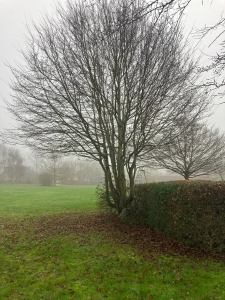
Winter is often a popular time for tree surgery. Deciduous trees have lost their leaves, making it easier to see the tree’s structure and identify defects or areas requiring attention.

Ground conditions can sometimes be more favourable for access, particularly in gardens and woodland areas, and there is generally less impact on wildlife activity.
Summer tree work

Summer can also be an excellent time for tree work, particularly when reducing shading, managing growth or addressing concerns that become more noticeable when trees are in full leaf.

The presence of leaves allows arborists to assess the tree’s health and vitality more easily. However, additional care must be taken to account for nesting birds and periods of hot, dry weather.
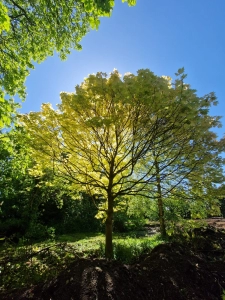
Summer pruning of tree

Emergency tree work

Some situations simply cannot wait for the ideal season.

Storm damage, broken branches, diseased trees or trees that pose a risk to people or property may require urgent attention regardless of the time of year. In these cases, safety is always the priority, while still ensuring any wildlife considerations are taken into account wherever possible.

When is the best time for tree work?

There is no single answer that applies to every tree. The best time depends on the species, the condition of the tree and the reason the work is being carried out.

At Simpson Arboriculture, we carry out tree work throughout the year and can advise on the most suitable timing for your particular tree and requirements. Whether you’re looking to improve the health of a tree, reduce its size, remove dangerous branches or undertake larger-scale management work, we’ll recommend the best approach while considering both tree health and wildlife protection.

If you’re unsure when your tree work should be carried out, get in touch with our team for professional advice and a free quotation.
Hedge planting

As spring is in the air, it’s the perfect time to celebrate our wonderful hedgerows. From providing sanctuary to wildlife to delineating boundaries and enhancing landscapes, hedgerows are an essential feature of our natural environment. National Hedgerow Week (6-12 May 2024) presents an opportunity to delve into the myriad benefits of hedging and what we can do to support them.  

Hedge trimming and reduction: preserving beauty and functionality

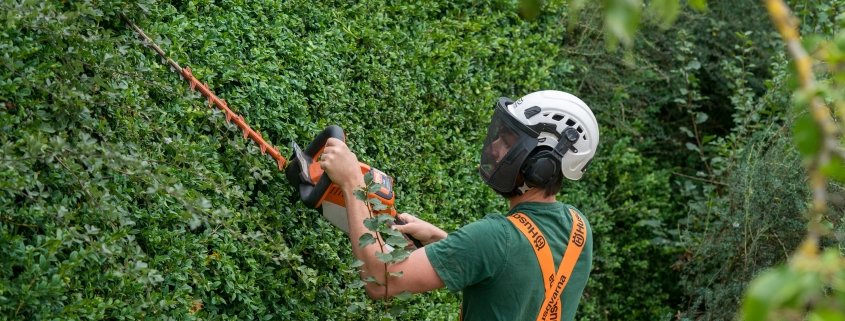
Trimming and reducing hedges are vital practices in maintaining their health and aesthetic appeal. At Simpson Arboriculture, our skilled tree surgeons understand the balance between shaping hedges to perfection and ensuring their health of the plants. By carefully trimming overgrowth and shaping hedge lines, we not only enhance the visual appeal of landscapes but also promote healthier growth.  

Hedge planting: cultivating green corridors

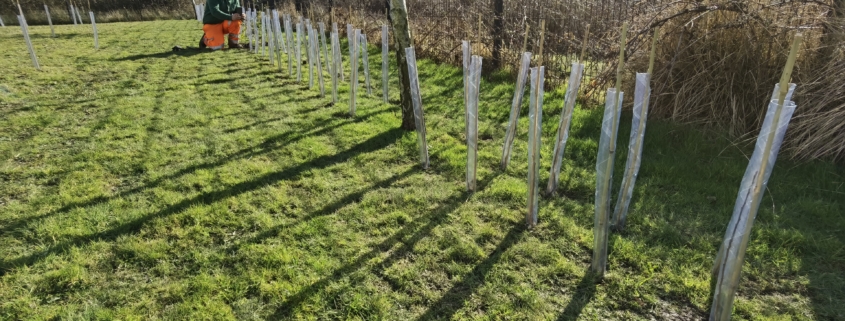
Hedges are essentially green corridors that connect habitats and promote biodiversity. Whether it’s reviving ancient hedgerows or establishing new ones, every hedge counts! Our experienced team plant hedgerows that we intend to grow and thrive for years to come. We can advise customers on the best hedge plants for their garden, to meet all their hedging needs. This might be balancing appearance and functionality with using native species, and choosing plants that are suited to the type of soil in the area. We want your hedges to both look great and grow healthily. 

Hedges: Bird nesting awareness

At Simpson Arboriculture, we recognise the importance of protecting birds, especially during nesting season. We take our responsibility seriously, and our arb teams are trained to carry out wildlife disturbance assessments before embarking on any hedge or tree work. By fostering a culture of bird nesting awareness, we can safeguard avian populations and ensure their continued presence in our hedgerows.  

Hedges: Environmental benefits 

Hedgerows are more than just natural boundaries; they are dynamic ecosystems teeming with life. They provide food and shelter for birds, insects and small mammals and act as carbon sinks and mitigate soil erosion. Hedgerows play a crucial role in supporting biodiversity and environmental resilience. By preserving and expanding hedgerow networks, we contribute to the broader conservation efforts to safeguard our planet’s ecological balance. 

Conclusion

Through responsible hedge management practices and a commitment to wildlife conservation, we can sow the seeds of a greener, more sustainable future. If you are interested in maintaining the existing hedges in your garden or even planting new ones, get in touch. Our expert team at Simpson Arboriculture would be happy to advise and provide a quote for any work. For planting, we oversee the whole process from start to finish. We source high quality hedge plants and have ample experience in planting to ensure that they grow and thrive. As we celebrate National Hedgerow Week, we can appreciate the invaluable contributions of hedgerows to our environment and communities. We can help the environment one hedge at a time, and ensure that these diverse corridors endure for generations to come. 

For more information, you can visit: 

At Simpson Arboriculture, we understand the importance of maintaining the natural beauty of your garden. One key aspect of achieving that pristine and tidy look is hedge trimming. More than just a routine task, hedge trimming requires skill, knowledge and a keen eye for detail. In this blog, we will delve into the world of hedge trimming and explore how it can transform your garden.

Hedge Trimming: Benefits Beyond Aesthetics

While the aesthetic appeal of well-trimmed hedges is undeniable, there’s more to hedge trimming than meets the eye. Regular trimming promotes the health and vigour of your plants. Removing overgrown or dead branches encourages new growth, enhances air circulation and prevents disease. Our expert arborists at Simpson Arboriculture not only craft visually appealing hedges, but also ensure the longevity of your hedges through proper care and maintenance.

Hedge trimming: The Science

Hedge trimming is a delicate balance between artistic expression and scientific knowledge. We carefully consider factors such as the type and species of hedge, its growth patterns and appropriate time of year for work to be carried out. Our team at Simpson Arboriculture combine years of experience with up-to-date arboricultural knowledge and skills to create beautiful, trimmed hedges that will continue to thrive for years to come.

Our tools

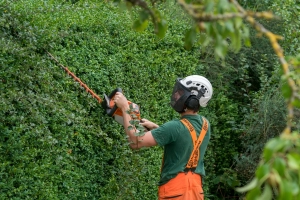
Our team of arborists will choose their tools carefully to achieve the desired outcome. This will depend on the size and species of the hedge, as well as what the access is like. For example, they may use electric hedge trimmers to achieve an even finish. They may also use pole pruners or long reach hedge trimmers for those trickier to reach places. For larger hedges, the team can use ladders or a MEWP to allow them to work safely at height. The tools and approach always depend on each individual job to ensure both precision and efficiency in the work carried out.  

Conclusion

Hedge trimming is more than a routine task; it’s both an art and a science. Our skilled arborists bring together the science of arboriculture and the creativity of design to transform your hedges into an important asset of your garden, transforming them with a precise and tidy look. With a focus on hedge health, precision and a personalised service, we’re committed to helping you achieve the best possible outcome for your garden. Contact us today to arrange your free quote. Our experienced team would be happy to discuss options with you.