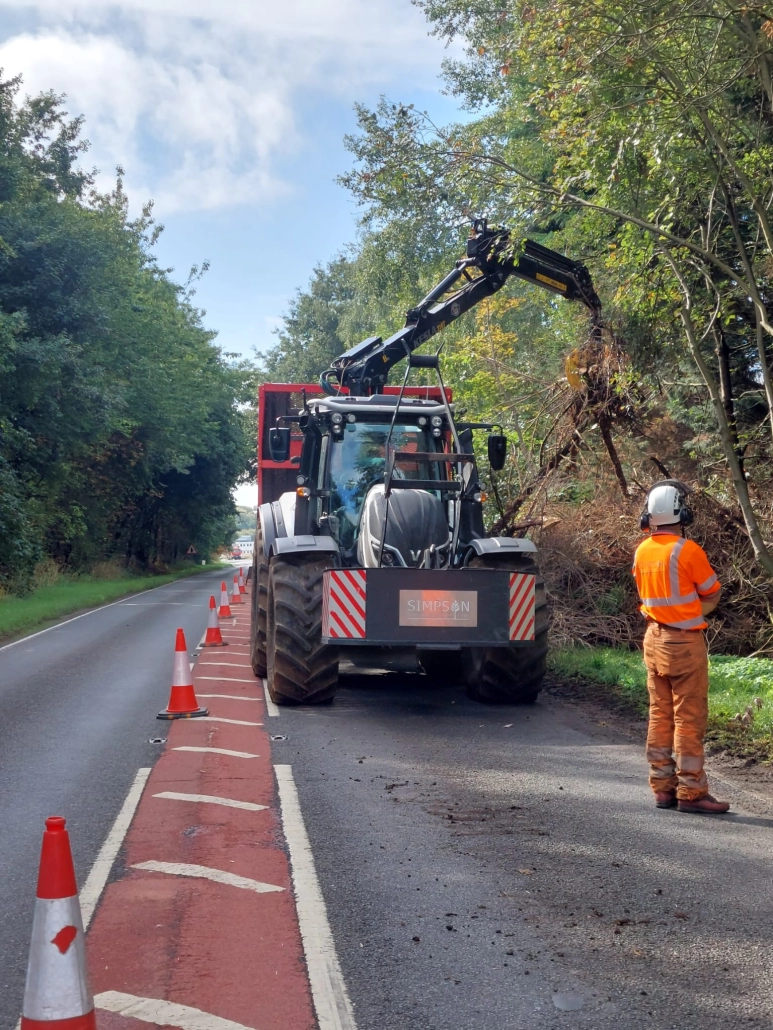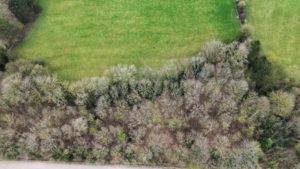
We recently competed a project for roadside tree removals through Robinson Forestry. The job was to removal the marked trees, which had been selected due to their poor condition near to the busy A6135 road near Renishaw Hall, Derbyshire. 

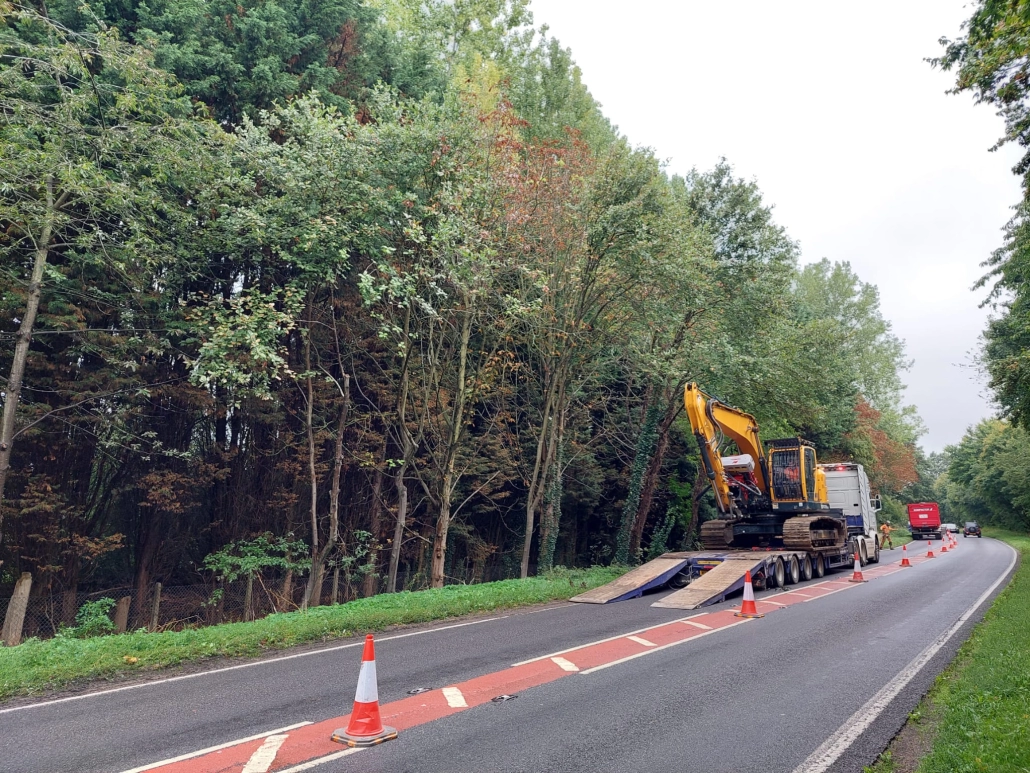
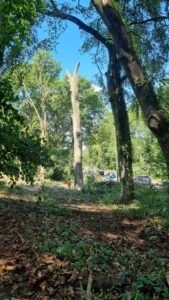
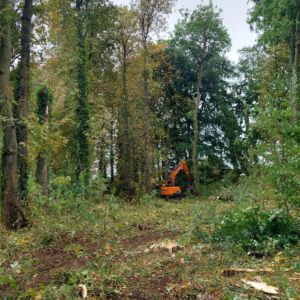
This was a challenging job due to the trees being located on a sloped embankment next to a busy road. The trees were in decline, making their removal necessary for preventing any risk of failure onto the road. There was also a street light in close proximity to the trees. 


Jobs of this size and complexity always require careful and detailed planning. Our manager visited the site to view the trees. We then put together a detailed method statement and site-specific risk assessment. This ensured that the approach was as safe and efficient as possible, with different methods being taken into consideration.  

The next task in the planning stage was to organise a week-long lane closure for the work to be safely carried out. Traffic lights were planned with a trusted traffic management company to create an exclusion zone for our team and the machinery. Because of the busy nature of the road, this had to be organised well in advance, with the local council notified.   

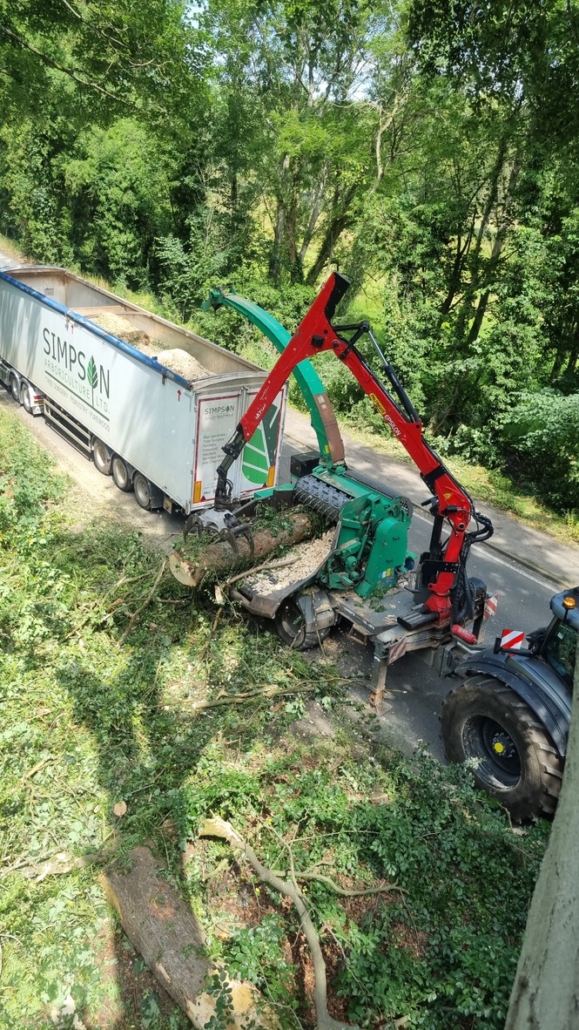
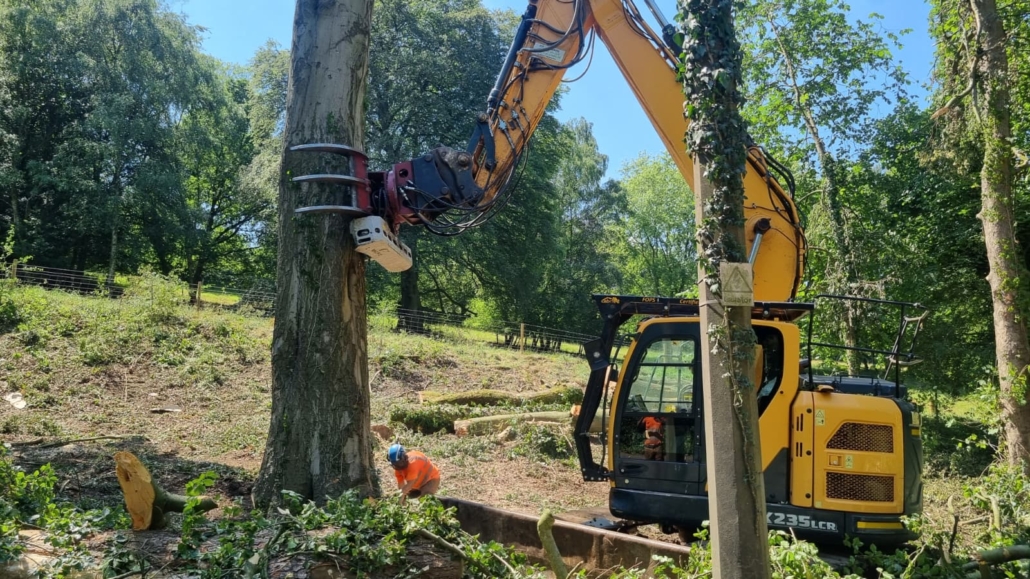
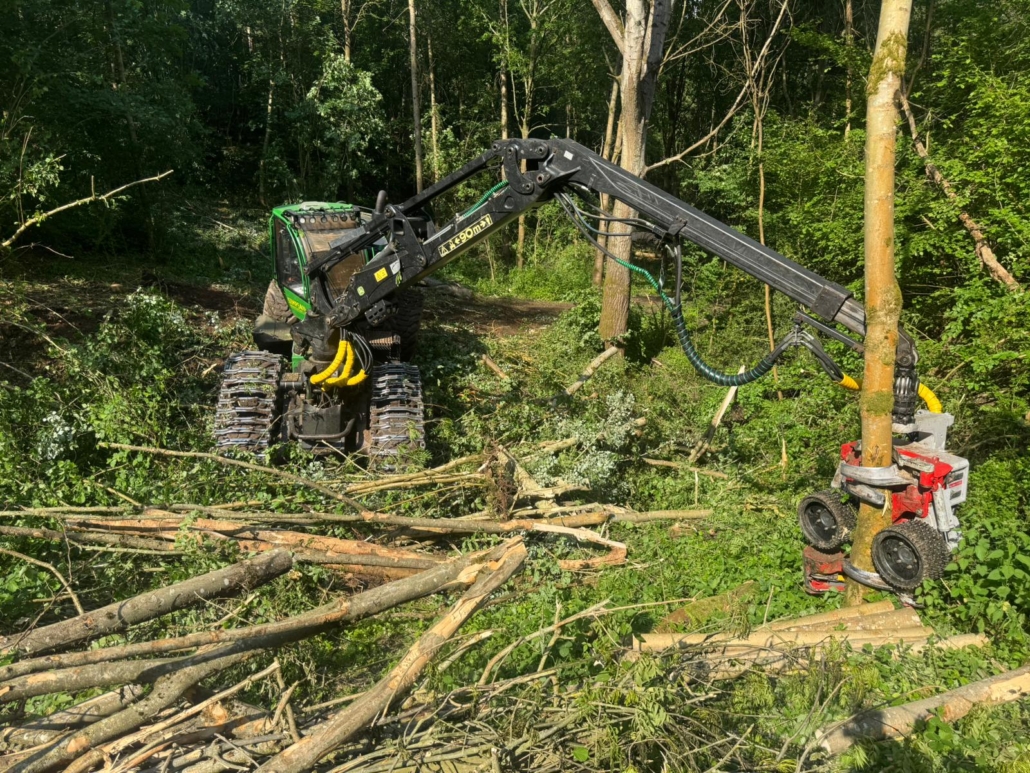
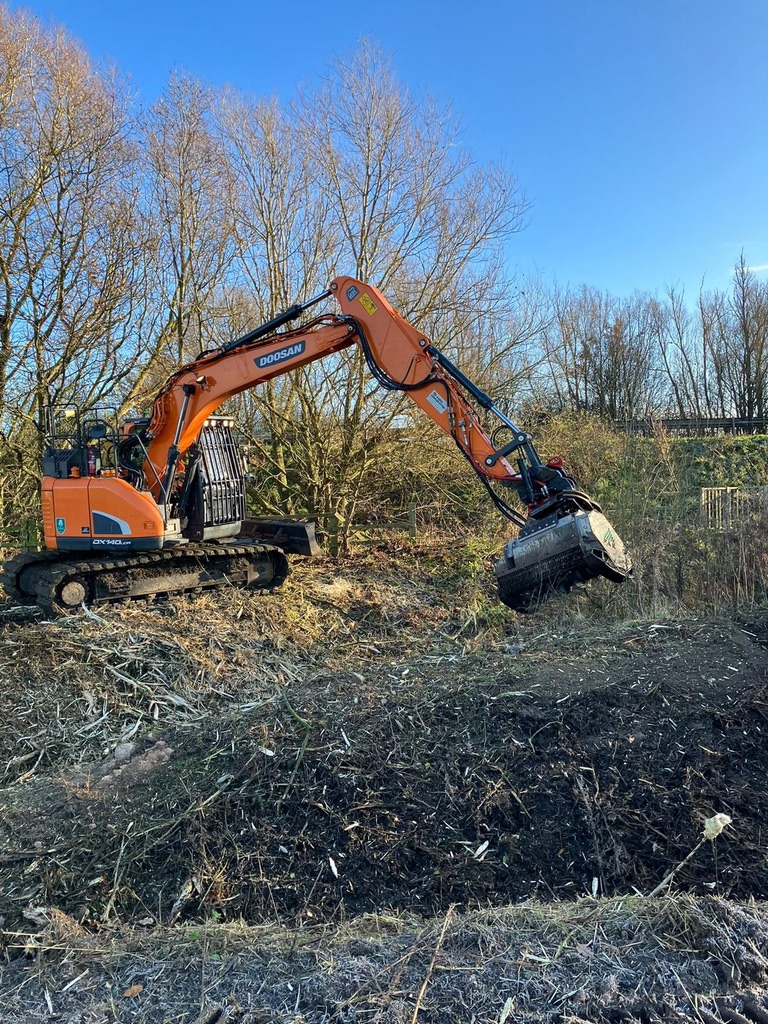
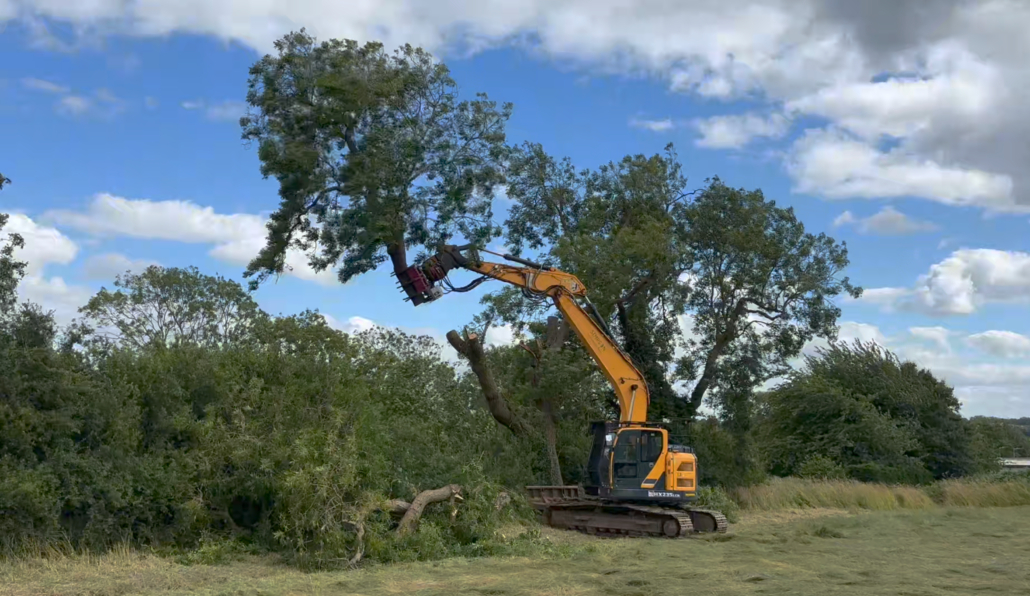
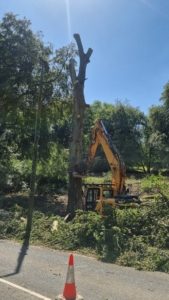
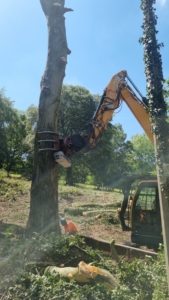
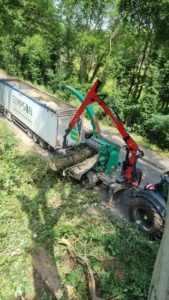
On the day, our team were mostly able to dismantle the trees using the controlled method of the grapple saw fitted to our 360 excavator. The use of machinery in tree work offers huge benefits- it makes the work safer, more time efficient and cost effective. Our excavators are fitted with ROPS (Roll-over protective structure) and FOPS (Falling object protective structure). These are critical safety systems in heavy machinery. They are designed to protect the machine operator from injuries in the case of rollovers or overhead hazards. 


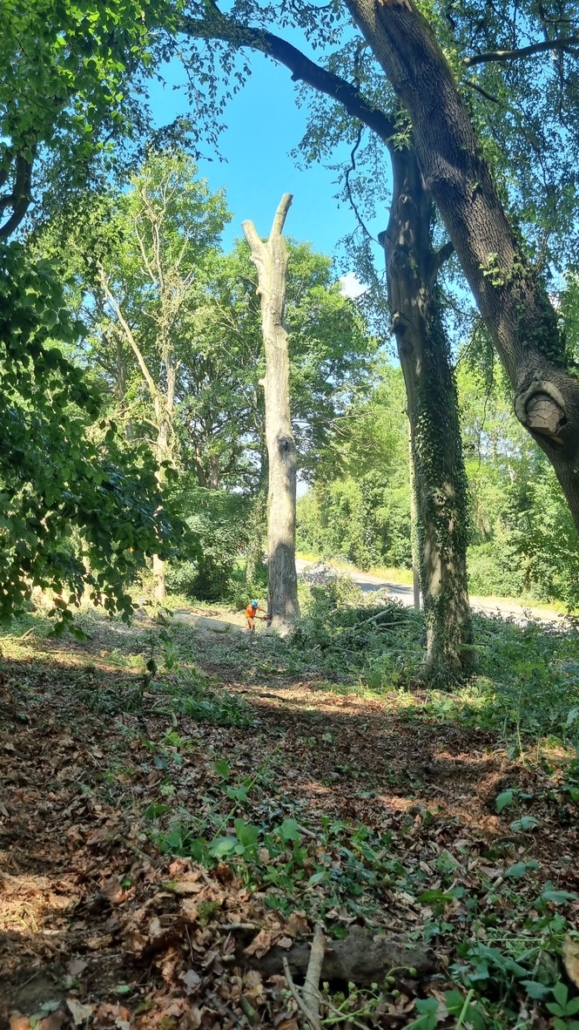
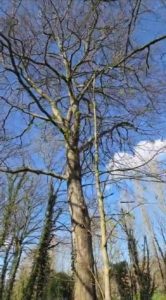
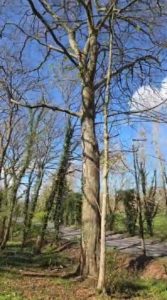
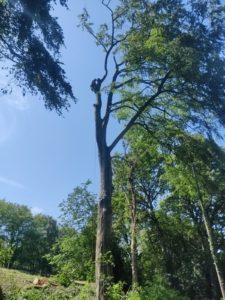
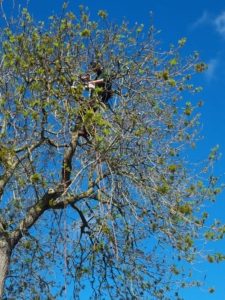
However, several trees were too tall to be reached and dismantled using the machinery. The tallest tree was a beech tree standing at around 28 metres! This tree stood so tall because it was at the bottom of a north facing slope and had to grow to compete for light with the trees on a higher elevation. The crown break stood at around 15 metres with the most dense foliage all on the top and northern side, since the southern side was always in shade. As such, it was growing over the road and over a streetlight. It was impossible to fell at its current size and with its weighting towards the road- it simply wouldn’t fit into the space around it. 

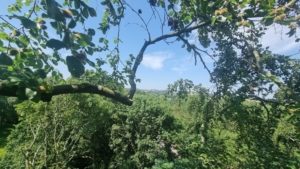
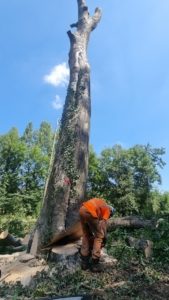
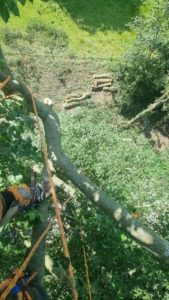
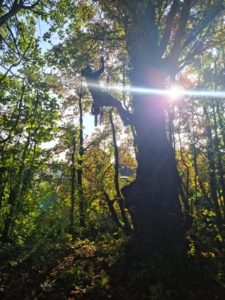
Ben climbed the trees and lowered the limbs down that were over the streetlight, while the traffic was stopped. He was then able to fell larger sections at the stem before felling the remaining large limbs. These were then cut down in longer sections until it was at a height deemed reasonable and safe to fell into the space available. 

The others consisted of 2 x ash trees and a sycamore. All three were growing in close proximity to a sheep fence. Damaging this would risk the sheep escaping and getting onto the main road. Therefore, they were dismantled as the safest course of action. 

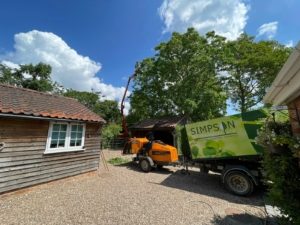
Once on the ground, the brash was chipped using our Jenz crane-fed chipper. This machine is ideal for processing bulky material in large quantities. The chip was processed and fired directly into the walking floor trailer, so it could be removed from site. 

On technically tricky jobs such as this, communication is key. The climber and machine operator used Stihl Comms headsets to communicate throughout. This meant they could carefully co-ordinate the manual and machinery work safely and effectively.

Specialist machinery, arborist and operator experience all came into play to make this job a success. Combined with our experienced lorry driver who removed the timber from site, our team are highly skilled, efficient and have the right equipment to get the job done.

If you have a tree work project coming up and want to find out more about what we can offer, you can get in touch with us via our website. We would be happy to discuss the work and then arrange for a free site visit and quotation.  

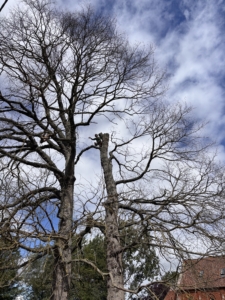
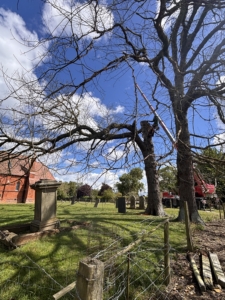
Recently, we were appointed by a local council to remove two extra-large dead elm trees from Spanby churchyard. Both trees had deteriorated significantly and posed a risk of failure, making their removal essential for public safety.

Before any work began, one of our experienced managers carried out a detailed site visit to assess the trees and plan the safest and most efficient method of removal.

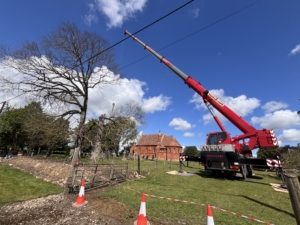
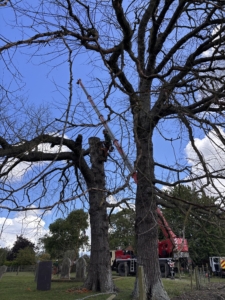
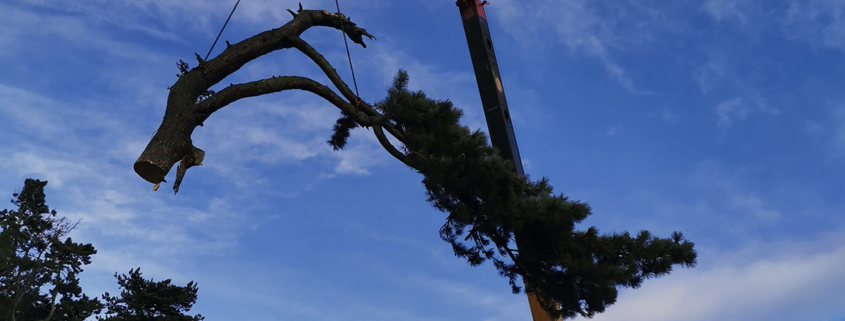
Due to the size, condition and location of the trees, we decided that the majority of the dismantling would be carried out using a crane. This would allow large sections of the trees to be lifted away in a controlled manner, reducing the need for free-falling timber. It also helped in protecting the graves and surrounding features in the churchyard. 

Dead timber can pose challenges due to its brittle branches, unpredictable features and reduced structural integrity, meaning there is an even greater need for a mechanised approach. We assessed this carefully prior to starting the work, and highlights the need for specialist expertise.   

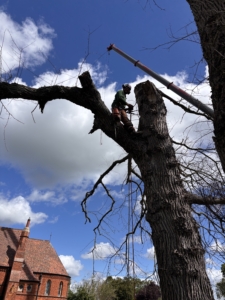
The climbing arborists worked using a two-rope climbing system. This consists of two independent anchor points while climbing, providing an additional level of safety when working at height.

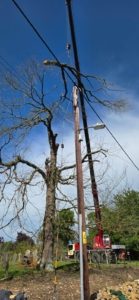
Access to the site presented another challenge. With limited space within the churchyard itself, the crane was positioned in a neighbouring field. Access was arranged in advance through the landowner. This allowed the crane to operate safely while still reaching both trees. The landowner wrote us a fantastic five-star Google review on completion of the work:

“Although not a job I contracted, the work required access and use of my field for one of the largest cranes (and other equipment) I have ever seen. This involved partially removing a fence and laying mats and pads on the ground. Two very tall, but unfortunately dead, elm trees were then taken down on the adjoining property, lifted onto the field, cut up and removed. Everything was then restored to the same condition as before and if you hadn’t seen it all in situ you would be hard pressed to know that they had been there. From what I saw, everything was done very professionally and I would certainly get a quote from them if I had the need in future.”

On the day, the team consisted of two experienced climbing arborists, a machine operator and a lorry driver, all working together to ensure the operation ran smoothly.

One of the climbers first ascended into the tree and began removing the branches in carefully planned sections. At nearly 20 metres in height, with a stem diameter of over 600mm, this was no mean feat! The team attached each section to the crane using lifting slings before they were cut free and carefully lowered to the ground. Throughout the dismantling process, clear communication between the climber and crane operator was essential, so the team used Stihl Comms headsets to coordinate every lift safely and efficiently.

This approach proved particularly effective because of the number of obstacles surrounding the trees. Grave stones, boundary fencing and overhead power lines all had to be carefully avoided. The proximity of the public highway also meant the team needed to remain aware of passing pedestrians and vehicles throughout the day. Before work began, cones, the team installed warning signs and barrier tape to clearly define the work area and exclusion zone.

Once both trees had been dismantled, the team turned their attention to clearing the site. The local council had requested that all timber and arisings be removed.

Brash and smaller branches were processed through our large woodchipper, with the resulting woodchip later recycled to fuel our biomass boiler. Larger timber was moved using the crane, allowing it to be stacked neatly before being loaded onto our tractor and trailer for removal from site.

As the elm trees were dead, all chainsaws were thoroughly cleaned and sterilised afterwards as part of our biosecurity procedures, helping to prevent the potential spread of tree diseases between sites.

This was a technically challenging project that required detailed planning, specialist equipment and close teamwork throughout. While many tree removals can be completed using traditional climbing and rigging techniques, some projects demand additional planning and specialist machinery.

Our experienced team at Simpson Arboriculture has the knowledge and equipment to safely manage complex dismantles in sensitive locations, whether that’s around buildings, highways, churches or utilities. 

If you’re interested in finding out more about what we can do, you can get in touch via our website. Our team would be happy to discuss your needs and arrange for a free site visit and quotation.

If you own land with trees on it, you might assume that you are free to remove them whenever you choose. However, in many cases, there are legal restrictions that mean you may need permission before carrying out tree felling or other tree work.

Failing to obtain the correct permissions can result in significant fines and legal complications, so it is always worth checking before any work begins.

Tree Preservation Orders (TPOs)

One of the most common restrictions affecting trees on private land is a Tree Preservation Order (TPO).

A TPO is made by a local planning authority to protect trees that provide significant public amenity value. If a tree is protected by a TPO, you will generally need permission from the council before carrying out work. This may include:

  • Pruning
  • Crown reduction
  • Crown lifting
  • Felling

Carrying out unauthorised work on a protected tree can lead to prosecution and substantial fines.

Are you unsure whether a tree is protected by a TPO? Your local council should be able to advise you. At Simpson Arboriculture, this is something we always check before arranging any tree work.

Trees within conservation areas

Even if a tree is not covered by a TPO, it may still be protected if it is located within a Conservation Area.

In most cases, if you wish to carry out work on a tree within a Conservation Area, you must give the local authority six weeks’ written notice before work begins. This is usually via an Application for Tree Works form which should be available on a council’s website. This allows the council time to assess the tree and decide whether further protection is required.

There are some exemptions such as if the tree is below a certain size or you are removing deadwood only, but it is always advisable to seek professional guidance before proceeding.

Forestry felling licences

For larger-scale tree removal, particularly on woodland or forestry sites, a felling licence may be required from the Forestry Commission.

In England, a licence is generally needed if more than 5 cubic metres of timber will be felled in a calendar quarter, although there are various exemptions depending on the circumstances.

Felling trees without the appropriate licence can result in enforcement action and a requirement to restock the land.

Planning conditions and development sites

Trees can also be protected through planning conditions attached to a property or development site.

If you are planning construction work, extensions, access routes or landscaping projects, there may be restrictions on tree removal as part of the planning approval.

It is important to check any planning conditions before arranging tree work.

Dead or dangerous trees

There are situations where permission may not be required, such as when a tree is dead or presents an immediate risk to public safety.

However, evidence may be needed to demonstrate the condition of the tree, and it is often sensible to document the issue with photographs and seek professional advice before work takes place.

Where protected trees are involved, local authorities may still expect to be notified. This is usually through a 5 day notice. As with TPO and conservation area applications, this is something that we can submit on behalf of our customers if required.

Boundary and ownership considerations

Before arranging any tree work, it is also important to confirm ownership.

Trees growing on a boundary may be jointly owned, while trees near neighbouring properties can sometimes create disputes if removed without discussion. Checking ownership and communicating with affected neighbours can help avoid unnecessary problems. For more information on this, please see our blog: Who is Responsible for Trees on Boundary Lines? 

How can we help?

Owning a tree does not automatically give you unrestricted rights to remove it. Tree Preservation Orders, Conservation Areas, felling licence requirements and planning conditions can all affect what work is permitted.

At Simpson Arboriculture, we can help customers navigate the regulations surrounding tree work. If you are considering having any tree work carried out and are unsure about the legal requirements, our team will be happy to provide advice and guidance before any work takes place. We regularly submit applications on behalf of our customers and oversee the whole process.

Get in touch

If you are interested in having tree work carried out but you are not sure where to start, you can get in touch with our friendly team via our website. Seeking professional advice from an experienced tree surgery company such as Simpson Arboriculture at the outset can help ensure the work is carried out safely, legally and with complete peace of mind.

Do I need permission to cut my tree down? It’s a question we’re asked regularly –  and the answer isn’t always a simple yes or no.

In many cases, you can carry out work to trees on your own property. But there are some important rules in place across the UK to protect trees, wildlife and the wider landscape. Before any work starts, it’s worth checking whether permission is required.

Here’s a straightforward guide to help you understand where you stand.

When you don’t usually need permission

If your tree is in a normal residential setting and is not protected, you can generally carry out work such as pruning or removal without applying for formal permission.

That said, there are still responsibilities:

  • You must ensure the work is safe and carried out correctly
  • You must check for wildlife (for example, nesting birds)
  • You are responsible for any damage or risk caused by the tree

Even when permission isn’t required, getting professional advice is always worthwhile – especially for larger trees or those close to buildings.

Trees in conservation areas

One of the most common reasons you do need permission is if your tree is within a conservation area.

These are designated locations with special architectural or historical importance, where trees contribute to the character of the area.

In this case:

  • You must give your local council at least 6 weeks’ notice before carrying out work
  • This is known as a Section 211 notice
  • During that time, the council can decide to place a TPO on the tree

In many conservation areas, trees above a certain size are automatically protected, even without a formal order.

Tree Preservation Orders (TPOs)

Another reason why you may need permission is if your tree is protected by a Tree Preservation Order (TPO).

A TPO is put in place by your local council to protect trees that offer significant public value. This could be because of their appearance, age, or contribution to the local environment.

If a tree has a TPO:

  • You must apply to the local authority before carrying out work. This usually takes around 8 weeks
  • This includes pruning, reducing, or removing the tree
  • Carrying out unauthorised work can lead to enforcement action and fines

Under UK guidance, a TPO makes it an offence to cut down, uproot, top or damage a protected tree without consent.

In some cases, if the tree is dead/ dying, or emergency tree work is required, you can apply under a ‘Five day notice’ rather than waiting for the full eight weeks. Although this will still be at the local authority’s discretion, and ultimately, no work should be carried out until they have approved it.

Felling licences (for woodland and larger-scale work)

For larger projects – particularly in woodland, forestry, or commercial settings – a felling licence may be required from the Forestry Commission.

In the UK:

  • It is generally illegal to fell trees without a licence unless an exemption applies
  • This applies to larger volumes of timber, rather than typical garden trees
  • Both the landowner and contractor share responsibility for compliance

Felling licences are designed to protect woodland management and ensure sustainable practices

Even if a licence is granted, you may still need to consider:

  • TPOs
  • Conservation area restrictions
  • Environmental factors (wildlife, protected sites, etc.)

Checking before any work begins

Because there are a few different rules that can apply, it’s important to make sure everything is in order before any work starts. As part of our approach at Simpson Arboriculture, we always check whether a tree is protected by a TPO, located within a conservation area, or subject to any other restrictions.

This helps avoid delays, ensures everything is carried out legally, and gives you peace of mind that the right steps have been followed. If permission is required, we can guide you through the process or handle the application on your behalf, keeping things as straightforward as possible.

So, how do you know if permission is needed?

Before any tree work, you need to check:

  • Is the property in a conservation area?
  • Is the tree covered by a TPO?
  • Is the work part of a larger-scale or commercial operation?

To find out more, you can visit the Government website page on Tree Preservation Orders and trees in conservation areas for further information.

Final thoughts

At Simpson Arboriculture, we always take the time to check whether permission is needed, so even if you aren’t sure if this applies, we have this covered. If your trees do fall within a conservation area or are subject to a TPO, we can apply to your local council on your behalf for a small admin fee. We can then oversee the whole process, giving our customers peace of mind that everything is taken care of.

If you’re thinking about having tree work carried out, feel free to get in touch with us at Simpson Arboriculture. Whether you’re ready to arrange a quote or just starting to explore your options, we’re always happy to have a chat and help you get the process underway.

Trees are essential to our environment. They provide us with shade, clean air and a connection to nature. However, there are instances when trees need to go. Tree removal may be necessary due to safety concerns, disease or landscape requirements. At Simpson Arboriculture, our dedicated team of arborists understand the delicate balance between preserving nature and insuring safety. In this blog, we’ll explore the various reasons why trees might need to be removed and how our tree removal services can help you maintain a safe and beautiful landscape.  

Safety First: Hazardous Trees

While trees enhance the beauty of any landscape, they can also pose significant risk if they become hazardous. Trees with compromised structural integrity due to disease or storm damage can become unstable. Dead or weakened branches might fall unexpectedly, endangering people and property. Our certified arborists at Simpson Arboriculture have the expertise to assess the health of your trees and can recommend any action that might need to be taken. If tree removal is necessary, we prioritise the safety of your property and everyone around it.

Disease Control and Prevention

Trees, like any other living organisms, can fall victim to diseases that can spread to neighbouring vegetation. If a tree is diseased and this cannot be treated effectively, tree removal can be the best option. By acting promptly, you can protect the health of other trees on your property and maintain a vibrant, disease-free landscape.

Landscape enhancement

Sometimes, tree removal is necessary to enhance the aesthetics and functionality of your outdoor space. Overgrown trees might block sunlight, inhibit the growth of other plants, or disrupt the balance of your landscaping design. Our arborists can help you decide which trees should be removed to improve the overall look of your garden. We’ll also provide recommendations for suitable replacement trees to maintain the natural beauty of your landscape.  

Expert Tree Removal Services

When it comes to tree removal, it’s essential to hire professionals with the right equipment, knowledge and experience. At Simpson Arboriculture, we employ a skilled team of arborists and use advanced equipment to ensure safe and efficient tree removal. We have invested in the highest range machinery available. We utilise modern techniques to get the job done quickly and efficiently. Every job is different, but we have the right tools to get the job done.

At Simpson Arboriculture, we understand the importance of taking responsibility for the environment. While tree removal is sometimes necessary, we are committed to promoting sustainable practices. We recycle 100% of our waste. Wood chippings become fuel in biomass boilers, or are used as garden mulch. All waste wood is recycled into firewood logs or used in our boilers for fuel to heat our log kiln.

Whenever possible, we explore alternative solutions, such as pruning or crown reducing a tree to mitigate risks and preserve valuable trees. Additionally, we can offer guidance on options for replanting and actively encourage this wherever possible.

Tree Removal: Get in Touch

When trees need to go, it’s essential to rely on experienced professionals who prioritise safety, health, and environmental responsibility. Simpson Arboriculture is dedicated to providing expert tree removal services that prioritise your property’s safety and beauty while minimising the impact on the environment. Whether it’s a hazardous tree, a diseased tree or landscape development, our team is here to help. You can give us a call in the office or contact us via our website.