Tree Surgery Terminology Explained: Crown Reduction, Crown Lift, Thinning and Pollarding
If you have ever received a quotation for tree work, you may have come across terms such as crown reduction, crown lifting, crown thinning or pollarding.
These are different methods of pruning a tree, each carried out for a particular reason. Although some of the terms sound similar, they can have very different effects on the size, shape and future management of a tree.
Understanding the terminology can make it much easier to know what work is being recommended and what your tree is likely to look like afterwards.
What is the crown of a tree?
Before looking at the different types of pruning, it helps to understand what arborists mean by the crown.
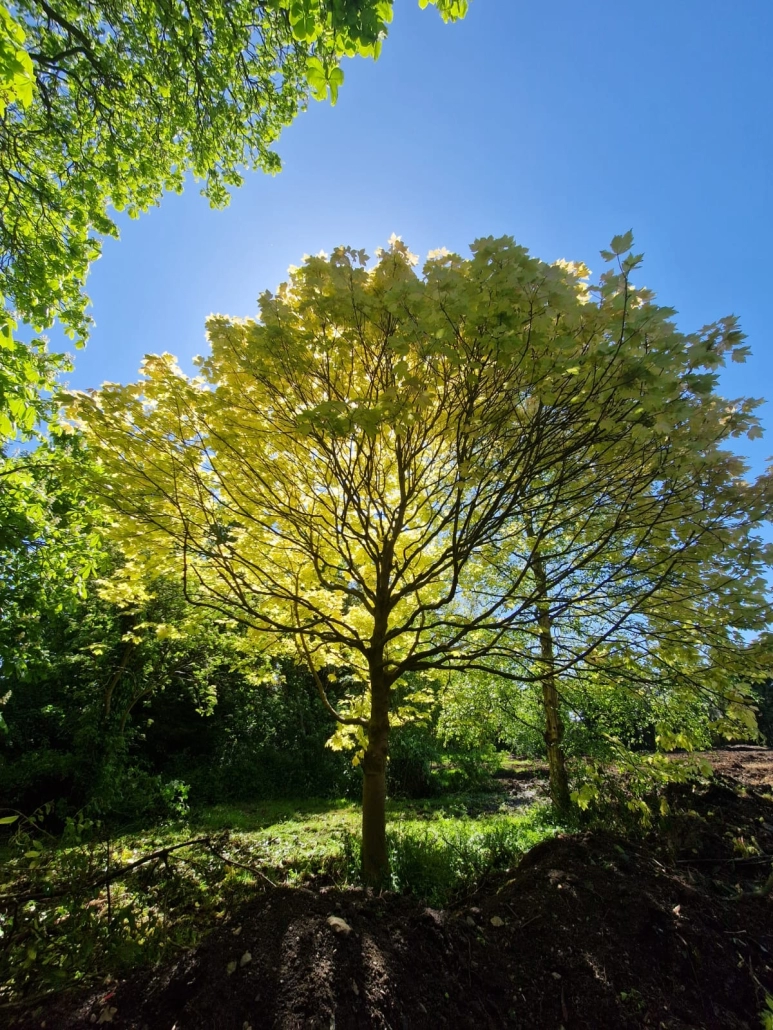
The crown is the upper part of the tree made up of its branches, twigs and foliage. Different pruning operations alter different parts of this crown depending on what needs to be achieved.
What is a crown reduction?
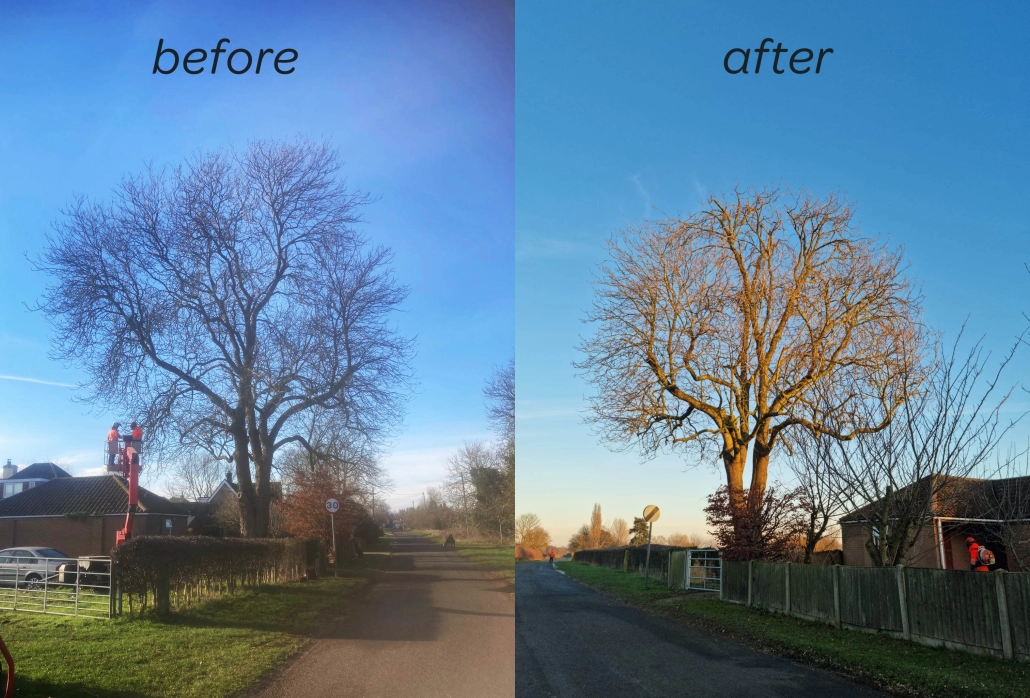
A crown reduction reduces the overall height and/or spread of a tree’s crown.
Rather than simply cutting branches back to the same level, selected branches are shortened to suitable growth points throughout the crown. The aim is to produce a smaller tree while retaining a natural, balanced shape.
A crown reduction may be recommended where a tree has become too large for its surroundings, where branches are extending towards buildings or other features, or where there is another arboricultural reason for reducing the size of the crown.
The amount of reduction should normally be clearly specified. For example, a quotation might describe a reduction in metres rather than simply stating that the tree will be “cut back”.
A properly carried out crown reduction requires careful pruning and consideration of the tree’s species, condition, structure and ability to respond to the work. Arboricultural Association standards for approved contractors specifically assess appropriate crown-reduction specifications, correct pruning cuts and the finished result.
What is a crown lift?
A crown lift, sometimes called crown raising, involves removing selected lower branches from a tree to increase the clearance between the ground and the bottom of the crown.
It does not mean reducing the height of the tree.
Crown lifting can be useful where low branches are obstructing a driveway, footpath, road, building or garden area. It can also make it easier to walk, mow or work underneath a tree and can allow more space beneath the canopy.
The work should be carefully considered, particularly on mature trees. Removing large lower limbs can create significant wounds and alter the structure of the tree, so it is not simply a case of removing every branch below a certain height.
A specification may therefore state the clearance that needs to be achieved, for example lifting the crown to a particular height above ground level.
What is crown thinning?
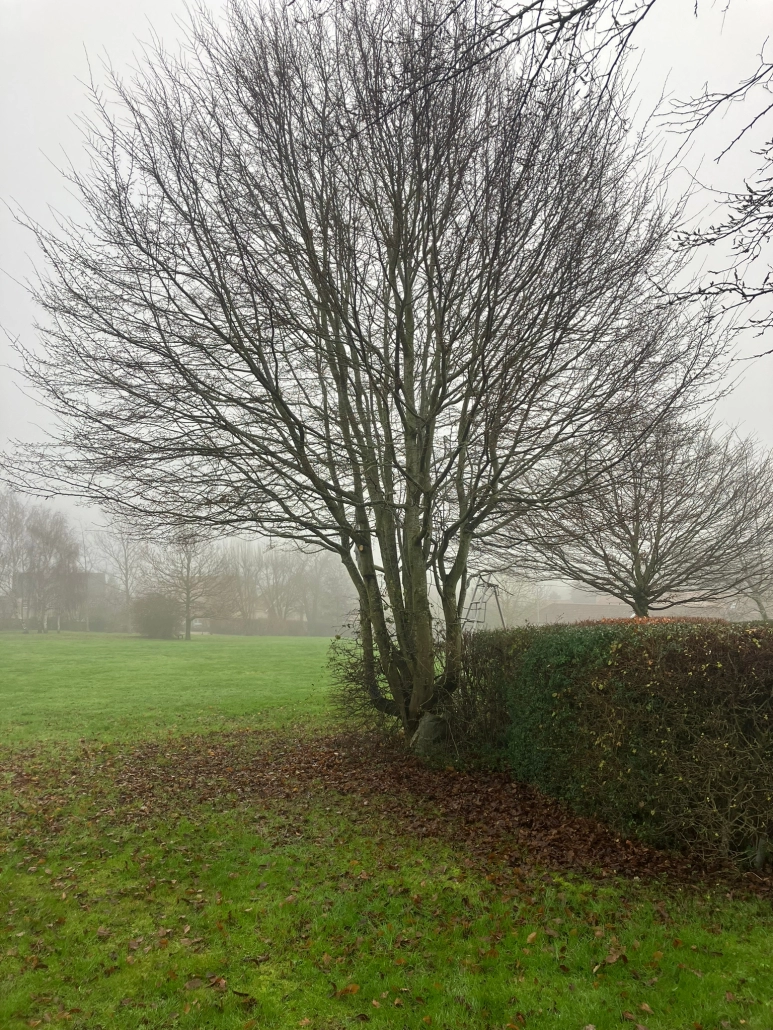
Crown thinning involves selectively removing a proportion of smaller branches throughout the crown while retaining its overall size and shape.
Unlike a crown reduction, crown thinning is not intended to substantially reduce the height or spread of the tree.
Instead, the aim is to reduce the density of branches within the crown. Depending on the tree and the reason for the work, this can increase light penetration and improve the distribution of branches throughout the canopy.
Crown thinning is usually expressed as a percentage so that the amount of growth to be removed is clearly defined. Arboricultural Association guidance for approved contractors describes thinning as a uniform operation carried out primarily towards the outer crown.
It is important not to remove too much foliage. Excessive or poorly distributed thinning can negatively affect the appearance and structure of a tree rather than improving it.
What is pollarding?
Pollarding is quite different from a standard crown reduction.
It is a method of managing certain trees by repeatedly cutting back branches to established points, encouraging new shoots to grow from these areas. Over time, distinctive swollen points known as pollard heads can develop.
Pollarding can be used to restrict the ultimate size of suitable trees and has traditionally been used to manage many street and landscape trees. Once a pollarding cycle has been established, the tree will usually require ongoing periodic management.
Importantly, pollarding is not simply another word for heavily cutting back a tree or “topping” it.
Whether pollarding is suitable depends on factors including the species, age, condition and previous management of the tree. Starting a new pollarding regime on an established tree is very different from maintaining a tree that has already been managed as a pollard for many years.
Which type of pruning does my tree need?
There isn’t one type of pruning that is suitable for every tree.
For example:
- If a tree has become too large for the available space, a crown reduction may be considered.
- If lower branches are causing an obstruction, a crown lift may be appropriate.
- If the aim is to selectively reduce the density of the crown without significantly changing its overall dimensions, crown thinning may be recommended.
- If a suitable tree is already managed on a regular pollarding cycle, pollarding may be required to maintain it.
In some situations, pruning may not be necessary at all, or a different type of tree work may be more appropriate.
This is why we assess the individual tree and its surroundings before recommending work. Species, age, condition, location, previous pruning and the reason for carrying out the work should all be taken into consideration.
Clear tree work specifications matter
Terms such as “trim the tree”, “cut it back” or “take some off the top” can mean very different things to different people.
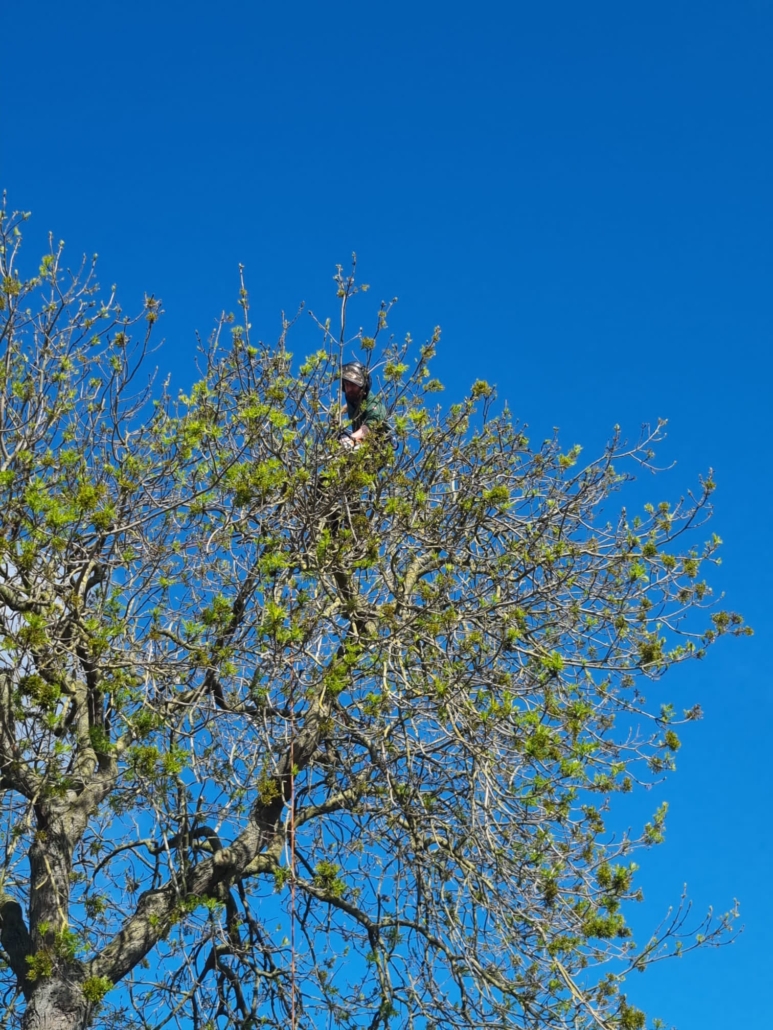
A clear tree work specification helps both the customer and the arborist understand exactly what is going to be carried out. Where appropriate, this could include the type of pruning, the amount to be removed and the intended finished result.
At Simpson Arboriculture, we aim to carry out pruning work in accordance with BS 3998: Recommendations for Tree Work where applicable. As an Arboricultural Association ARB Approved Contractor, our work, knowledge and procedures are independently assessed as part of the scheme.
If you are unsure what type of work your tree requires, we can assess the tree and recommend an appropriate course of action.
We provide professional tree surgery services for domestic and commercial customers throughout Lincolnshire and for larger projects, further afield. You can get in touch with us at Simpson Arboriculture via our website. Our friendly team would be happy to discuss options with you and arrange a free quotation for your tree work.