If you’re considering having a tree removed, one of the first questions you’ll likely have is: how much will it cost?

The honest answer is that tree removal can vary quite a bit depending on the job. Every tree and every site is different, so pricing is usually based on a number of factors rather than a fixed fee. That said, understanding what influences the cost can help you get a clearer idea of what to expect.

At Simpson Arboriculture, we aim to keep our prices realistic and affordable, whilst prioritising quality and a high standard of work.

Typical cost ranges

As a general guide, smaller jobs that can be completed within a few hours will usually fall in the hundreds of pounds.

Larger or more complex removals that take a full day (or longer) can cost £1,000 – £1300 or more.

Our team at Simpson Arboriculture usually work on day rates depending on the size of the crew and the equipment required.

These figures are only a guide, and the actual cost will depend on the specifics of the work involved. We do also have to factor in travel to and from site which is something to be aware of.

What affects the cost of tree removal?

There are several key factors that determine how much a tree removal job will cost:

1. Size and type of tree

Larger trees take more time, labour and equipment to remove. A small ornamental tree is generally far quicker and easier to deal with than a mature oak or beech.

2. Location and access

Access is one of the biggest influences on cost. If the tree is in an open space with easy access for our team and any machinery, the work is more straightforward.

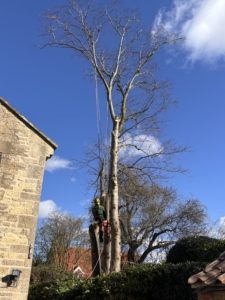
However, if it’s in a back garden with limited access, overhanging buildings, or close to roads, fences or power lines, the job becomes more technical and time-consuming.
3. Complexity of the job

Some trees can be felled in one piece, while others need to be carefully dismantled in sections. This often involves climbing, rigging and lowering branches safely to the ground, which increases the time and skill required.

4. Equipment needed

The type of equipment required can significantly affect the price. For example:

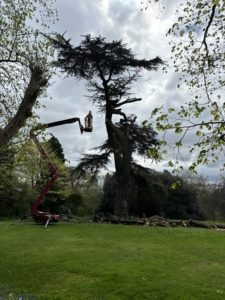
  • A MEWP (Mobile Elevated Work Platform) may be needed for safer access
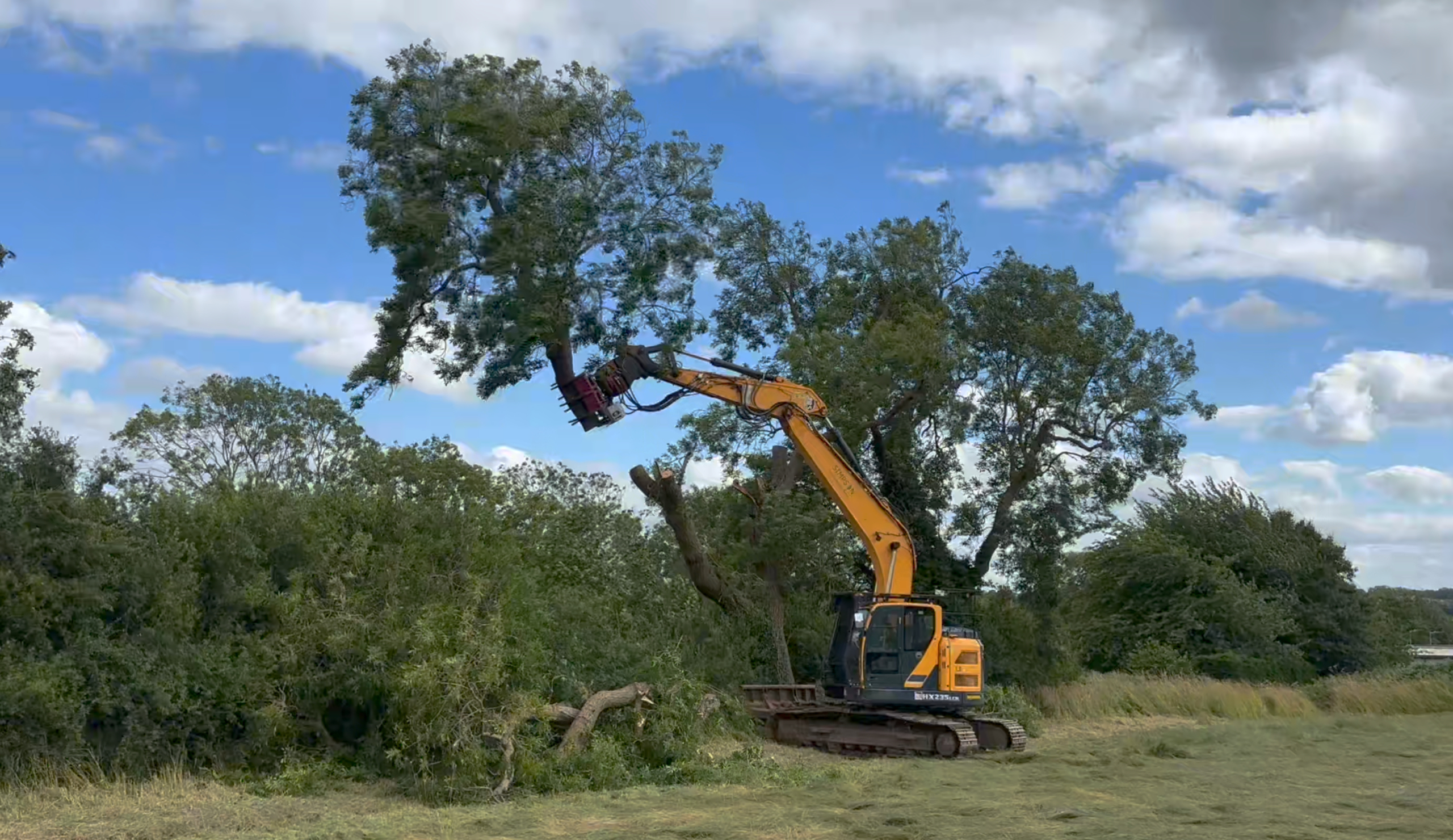
  • Additional machinery such as a digger or crane might be required for larger jobs
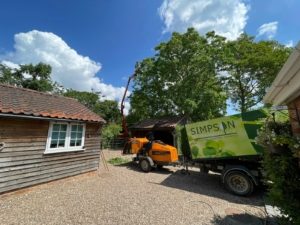
  • Wood chippers, stump grinders and other specialist tools may also be used

The more equipment involved, the higher the overall cost.

5. Number of operatives

More complex or hazardous jobs often require a larger team to carry out the work safely and efficiently. For example, if the tree is close to a road, an operator may be required to manage traffic through the use stop-go boards. Alternatively, if the tree is over a footpath, again, an operator may be required to manage any footfall in order to keep members of the public safe. A job can also take longer if there are a large amount of obstacles beneath the tree for the team to avoid.

6. Waste removal

Removing and disposing of timber, branches and woodchip is usually included, but the volume of waste will affect the time and cost. Some customers choose to keep logs or woodchip, which may reduce the time slightly.

7. Stump removal

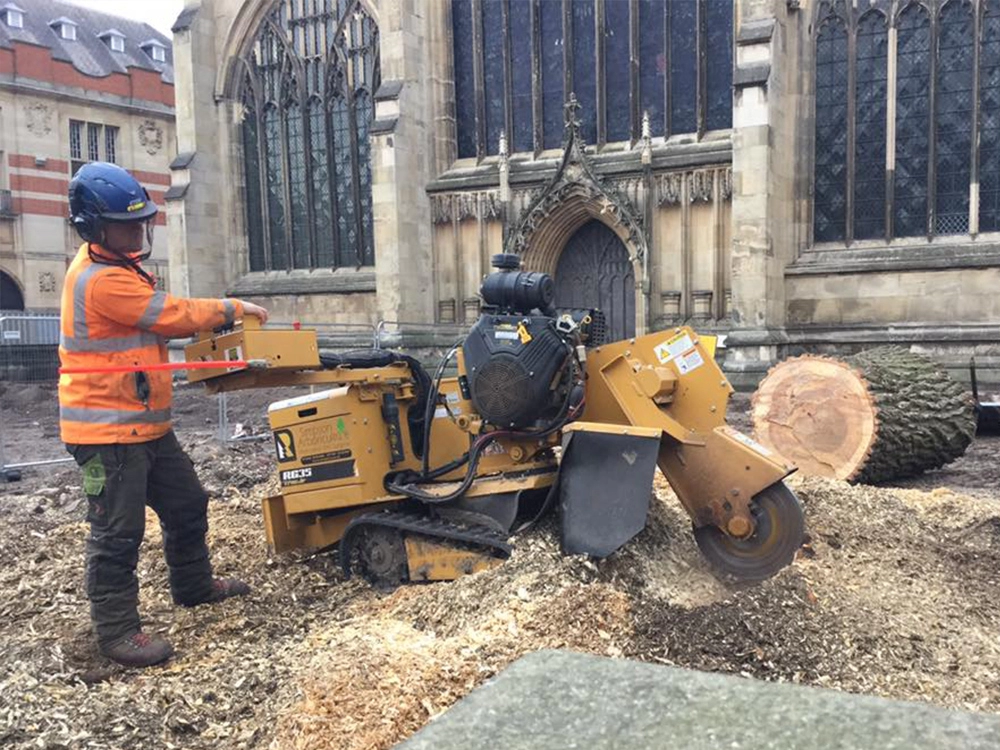
Cutting a tree down doesn’t usually include removing the stump. Stump grinding is priced separately, depending on the size and location of the stump, which determines the time needed.

Why it’s worth getting a professional quote

While it can be tempting to look for a quick estimate, the most accurate way to price a job is through a site visit. This allows us to assess:

  • Access and space
  • Tree condition and structure
  • Safety considerations
  • Equipment requirements

A professional quote ensures the job is done safely, efficiently and in line with current regulations.

A final word

Tree removal is a skilled and sometimes complex job, and costs reflect the level of expertise, equipment and planning involved. While prices can vary, investing in experienced professionals helps ensure the work is carried out safely and to a high standard.

Simpson Arboriculture is an Arb Approved contractor. This is the most prestigious accreditation in the arboricultural industry and means that customers can rest assured knowing they are choosing a team of fully qualified, insured and professional tree surgeons to carry out the work. For more information, please see the Arb Association’s information leaflet on Choosing a Tree Surgeon.

If you’re unsure about a tree on your property, getting some advice is always a good place to start. A quick visit or conversation can often clarify the best approach and give you a clearer idea of the cost. If you are interested in starting the process, you can get in touch with us in the office at Simpson Arboriculture- we are always happy to discuss this with you further and arrange a site visit.
Do I need permission to cut my tree down? It’s a question we’re asked regularly –  and the answer isn’t always a simple yes or no.

In many cases, you can carry out work to trees on your own property. But there are some important rules in place across the UK to protect trees, wildlife and the wider landscape. Before any work starts, it’s worth checking whether permission is required.

Here’s a straightforward guide to help you understand where you stand.

When you don’t usually need permission

If your tree is in a normal residential setting and is not protected, you can generally carry out work such as pruning or removal without applying for formal permission.

That said, there are still responsibilities:

  • You must ensure the work is safe and carried out correctly
  • You must check for wildlife (for example, nesting birds)
  • You are responsible for any damage or risk caused by the tree

Even when permission isn’t required, getting professional advice is always worthwhile – especially for larger trees or those close to buildings.

Trees in conservation areas

One of the most common reasons you do need permission is if your tree is within a conservation area.

These are designated locations with special architectural or historical importance, where trees contribute to the character of the area.

In this case:

  • You must give your local council at least 6 weeks’ notice before carrying out work
  • This is known as a Section 211 notice
  • During that time, the council can decide to place a TPO on the tree

In many conservation areas, trees above a certain size are automatically protected, even without a formal order.

Tree Preservation Orders (TPOs)

Another reason why you may need permission is if your tree is protected by a Tree Preservation Order (TPO).

A TPO is put in place by your local council to protect trees that offer significant public value. This could be because of their appearance, age, or contribution to the local environment.

If a tree has a TPO:

  • You must apply to the local authority before carrying out work. This usually takes around 8 weeks
  • This includes pruning, reducing, or removing the tree
  • Carrying out unauthorised work can lead to enforcement action and fines

Under UK guidance, a TPO makes it an offence to cut down, uproot, top or damage a protected tree without consent.

In some cases, if the tree is dead/ dying, or emergency tree work is required, you can apply under a ‘Five day notice’ rather than waiting for the full eight weeks. Although this will still be at the local authority’s discretion, and ultimately, no work should be carried out until they have approved it.

Felling licences (for woodland and larger-scale work)

For larger projects – particularly in woodland, forestry, or commercial settings – a felling licence may be required from the Forestry Commission.

In the UK:

  • It is generally illegal to fell trees without a licence unless an exemption applies
  • This applies to larger volumes of timber, rather than typical garden trees
  • Both the landowner and contractor share responsibility for compliance

Felling licences are designed to protect woodland management and ensure sustainable practices

Even if a licence is granted, you may still need to consider:

  • TPOs
  • Conservation area restrictions
  • Environmental factors (wildlife, protected sites, etc.)

Checking before any work begins

Because there are a few different rules that can apply, it’s important to make sure everything is in order before any work starts. As part of our approach at Simpson Arboriculture, we always check whether a tree is protected by a TPO, located within a conservation area, or subject to any other restrictions.

This helps avoid delays, ensures everything is carried out legally, and gives you peace of mind that the right steps have been followed. If permission is required, we can guide you through the process or handle the application on your behalf, keeping things as straightforward as possible.

So, how do you know if permission is needed?

Before any tree work, you need to check:

  • Is the property in a conservation area?
  • Is the tree covered by a TPO?
  • Is the work part of a larger-scale or commercial operation?

To find out more, you can visit the Government website page on Tree Preservation Orders and trees in conservation areas for further information.

Final thoughts

At Simpson Arboriculture, we always take the time to check whether permission is needed, so even if you aren’t sure if this applies, we have this covered. If your trees do fall within a conservation area or are subject to a TPO, we can apply to your local council on your behalf for a small admin fee. We can then oversee the whole process, giving our customers peace of mind that everything is taken care of.

If you’re thinking about having tree work carried out, feel free to get in touch with us at Simpson Arboriculture. Whether you’re ready to arrange a quote or just starting to explore your options, we’re always happy to have a chat and help you get the process underway.

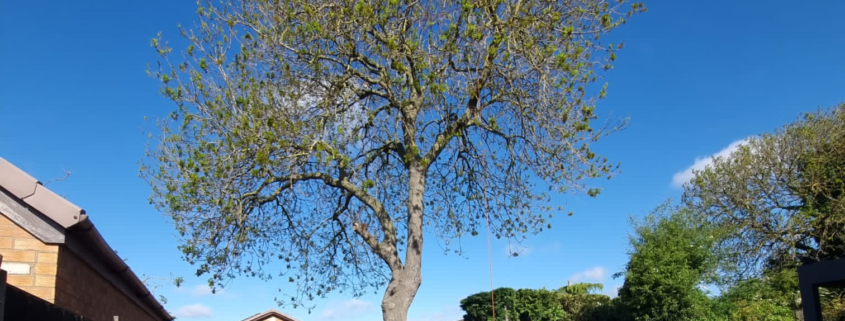
Ash tree

As the weather’s getting warmer and the nights are getting lighter, it’s time to turn our attention to the vital task of spring pruning. While it may seem like a simple chore, pruning plays a pivotal role in nurturing the health and beauty of our trees. In this blog, we’ll delve into why spring is the perfect season for pruning trees and explore the myriad benefits it brings to both tree and landscape.

Why spring pruning?

Spring is a season of renewal, making it the optimal time to tend to the needs of our trees. Here are several reasons why:

  1. Assess any issues. The harsh winter months can take their toll on trees, leaving them vulnerable to damage and disease. Spring is an ideal time to assess and address any issues such as broken or damaged branches.
  2. Stimulate growth. Trees experience a surge of growth in the spring. Pruning during this time encourages new growth by removing dead or weak branches, allowing the tree to redirect its energy towards healthy development.
  3. Disease and pest management. Dead or diseased branches not only detract from the beauty of a tree, but also serve as entry points for harmful pathogens and pests. By removing these compromised branches in spring, we can mitigate the risk of disease, safeguarding the overall health of the tree.
  4. Shape and structure. Proper pruning in spring helps shape the growth of trees, enhancing their aesthetic appeal and structural integrity. By selectively removing branches, we can sculpt the tree’s canopy, improving air circulation, sunlight and overall form.

Benefits of spring pruning

The advantages of spring pruning extend beyond the aesthetic, encompassing a range of benefits that contribute to the long-term vitality of trees:

  1. Promotes healing. Pruning optimises the tree’s natural healing process, compartmentalising wounds to minimise the risk of decay.
  2. Enhances flowering and fruit production. For flowering and fruit bearing trees, spring pruning can significantly impact the quality and quantity of blooms or fruits. By removing dead or overcrowded branches, we create space for new growth.
  3. Preserves tree longevity. A well-maintained tree is more likely to enjoy a long and healthy life. By implementing regular pruning practices, we can prolong the lifespan of trees, ensuring they thrive for many years to come.

How we can help

At Simpson Arboriculture, we recognise that spring pruning is vital for nurturing the health and beauty of your trees. With our expertise, we go beyond mere maintenance. By entrusting our skilled team with your spring pruning needs, you’ll be investing in the longevity and vitality of your landscape. To find out more or arrange a quote, you can get in touch with us in the office or make an enquiry via our website.

Summer can bring a whole manner of challenges for trees- from heat stress and drought to summer storms. At Simpson Arboriculture, we know first-hand that regular tree maintenance can help keep trees healthy and reduce risks.

High temperatures and drought can hugely impact the health of trees. It can cause leaf scorch, wilting and dehydration. Signs to look out for include brown or curling leaves and even premature leaf drop.

How to protect your trees from heat stress

Adding a layer of mulch around the base of a tree is a great way to retain moisture and regulate soil temperature. Deep watering is also vital to help trees stay hydrated. During hot weather, we would recommend watering early in the morning or late in the evening. Watering during hot, sunny weather can cause leaves to scorch. Deep watering is much more effective than frequent, shallow watering.

For suggestions of tree species that cope well with dry, hot conditions, you can gain more information by having a read of The Royal Horticultural Society’s (RHS) article: Trees for Climate Change.

The risks of summer storms

Summer storms can wreak havoc for your trees. They often bring ample amounts of rainfall which can cause waterlogging. They also very often bring high winds. This can cause tree branches to break and fall. Any weak points in trees that have been left unchecked can soon make themselves known in the form of snapped out branches or falling limbs.

Preparing for stormy weather

As with many things, preparation is key! We always recommend assessing your trees regularly to ensure that they are in good health and vitality. As part of your summer tree maintenance, checking for weak points, dead branches or even overgrown branches is essential. These could quickly become hazardous if left unchecked. Did you know that thinning out a tree’s canopy can reduce wind resistance by allowing the wind to move through it more easily? 

At Simpson Arboriculture, our professional team can advise you on the health and condition of your trees, and suggest key maintenance work to keep them healthy and minimise risk. From removing dead branches, thinning a tree’s canopy or reducing overhanging branches, we have the knowledge and expertise to advise you on what is most necessary. Our friendly team at Simpson Arboriculture can take care of the whole process from start to finish.

Get in touch

In conclusion, it’s always good to be prepared! Summer tree maintenance is very often better (and cheaper) than dealing with dehydrated or storm damaged trees afterwards. As a tree owner, there are lots of things you can do to ensure the health of your trees yourself, from mulching and regular watering, to doing annual visual checks of your trees.

If you think your trees would benefit from some expert tree maintenance work, contact Simpson Arboriculture. You can reach us in the office or via our website. We are always happy to discuss different options, sharing our professional opinions and quote for any work that is needed.

Summer pruning of tree

Do you need a tree pruning, removing or assessing? Hiring a professional tree surgeon in Lincolnshire such as Simpson Arboriculture ensures the job is done safely and efficiently. But if you have never used a tree surgeon before, you may be wondering what to expect.

Here’s a guide to help you understand the process. We can guide you in what to look for when hiring a tree surgeon in Lincolnshire. Simpson Arboriculture are available to cover all of your tree surgery needs.

1. Initial contact and consultation

At Simpson Arboriculture, the process begins with an initial enquiry. This is either by phone, email or via our online form. At this stage, our tree surgery customers in Lincolnshire provide their contact details. It’s also a good idea to provide details such as:

  • The type of tree work required (ie.. tree pruning, tree crown reduction, tree removal, site clearance, stump grinding, etc)

  • The size and location of the tree/s

  • Any access restrictions or potential challenges

  • If the tree is in a conservation area or is protected by a TPO (Tree Preservation Order).

2. Site visit and quotation

For us, the next step would be to arrange a site visit. This usually involves one of our experienced managers coming out to have a look in person.

During the visit they will:

  • Evaluate the health and structure of the tree/s

  • Assess potential risks and safety concerns

  • Consider factors like nearby buildings, power lines or protected areas

  • Recommend the best course of action

This is also a great opportunity for them to foresee any challenges or restrictions that need to be planned for.

Following the site visit, you will receive a written quotation. This is usually by email, although we can also send this out as a paper copy if required. This will include details of the work specification, our terms and conditions and a total cost.

3. Understanding the work plan

Any reputable tree surgeon such as Simpson Arboriculture in Lincolnshire will explain the work in detail. This ensures that our customer understands the process. This may include:

  • The equipment that will be used (e.g. a MEWP for access the tree, stump grinder, or tractor and trailer to remove waste etc)

  • Waste removal options (e.g. chipping and removing all waste, leaving chip or logs for the customer)

  • Any necessary permissions (e.g. where there are TPO or Conservation Area restrictions)

  • If a power line shutdown is required for the work to be carried out safely

For these services (permissions or power shutdowns), we can apply and oversee the whole process for a £25 admin fee. This will be listed on the quotation where applicable.

We always include a copy of our company’s Terms and Conditions, and encourage our customers to get in touch with our friendly team if they have any queries.

4. Accepting the quote and booking in

If the customer is happy with the quotation, they will contact us in the office to let us know they would like to go ahead. We will then come back with our next available date. This can vary depending on the nature of the job, time of year and how busy we are. We do always try and notify customers early on if we have a particularly long wait time.

At this stage, our staff at Simpson Arboriculture would then make a start on any TPO/ conservation area applications if required. They would also get in touch with National Grid to arrange a power shutdown if needed.

5. The day of the job

We will always notify our customers of an approximate arrival time for our team, so they know when to expect them. We will usually ask for any cars to be moved off the drive beforehand if they require access for vehicles or machinery. The team leader will knock on the door and check in with you, go through any final details and ask any questions. This is a great time to ask anything you are unsure about, or let the team know any other information they might need.

The team will then get started! They work hard and are very self-sufficient, so at this stage you can rest assured that everything is being taken care of by our experienced and professional team.

On completion of the work, the team will then let you know they are finished and ask you to come out and check that you are happy with everything. It’s really important to let the team know if you have any queries at this point, e.g. if anything has been missed. It’s always better to resolve any issues while the team are there. Our friendly team will endeavour to ensure that our customers are fully satisfied with the work carried out. 

6. After the job & payment

Once all of the work has been completed and you are happy with everything, we will then send you an invoice. This is usually within one to three days. We offer payment via BACS transfer, or we accept cheques. We always love to hear feedback from our customers. This helps us know what we are doing well, and if there are any areas we can improve on. an email or a phone call are always appreciated if you do have feedback you would like to share. Our team in the office can then ensure this is passed onto the rest of the team.

Get in touch!

Overall, hiring a professional tree surgery company such as Simpson Arboriculture takes the stress out of the job. Our customers can rest assured that the whole process will be taken care of from start to finish, and the job will be completed safely and effectively. By allowing our customers to understand the process, you can feel confident in choosing the right professionals for your garden needs.

You can visit our website to find out more about the services we can offer.

If you require a tree surgeon based in Lincolnshire, get in touch! Our friendly team are available to contact by phone, or via our enquiry form on our website. Quotations are free of charge and we are always happy to discuss your needs and answer any questions you may have.

Professional tree surgeons in Lincolnshire


If you’re a homeowner or property manager, you understand the importance of maintaining a beautiful and functional garden. However, after removing a tree from your landscape, you might be left with an unsightly stump that not only spoils the aesthetics of your garden but can also pose safety hazards. At Simpson Arboriculture, we can help our customers reclaim their gardens and make them safe, beautiful and enjoyable spaces. In this blog, we will discuss the benefits of stump grinding and how our expert team can assist you with revitalising your outdoor space.

The Challenge of Tree Stumps

Tree removal is often necessary. This could be due to disease, storm damage, or to make space for new landscaping projects. However, what remains after the tree is felled is a tree stump that can cause numerous issues:

  1. Safety hazards. Tree stumps can be hazardous, especially if they’re hidden by grass or foliage.
  2. Attracting pests. Decaying stumps provide a perfect environment for pests like ants and other insects to thrive. Over time, these pests could spread to other areas of your garden.
  3. Aesthetics. A garden should be a place of beauty and tranquillity. A stump can disrupt this and often hinders future gardening plans.
  4. Hindrance to landscaping. Stumps can impede the development of new landscaping projects, like building a patio, installing a fence, or planting new trees.

The Solution: Stump Grinding

Stump grinding is the most efficient and eco-friendly way to address the issues caused by tree stumps. Unlike some stump removal methods that involve digging out the entire stump, stump grinding involves using specialised machinery to grind the stump to below ground level.

At Simpson Arboriculture, we use our specialist Rayco RG37T stump grinder. It is a very powerful, tracked stump-cutting machine. Being under a metre wide, this machine can fit through most garden gates and its rubber tracks mean minimal damage to the grass/ ground underneath. The machine, used by our trained operators, is effective by cutting away at the tree stump using carbide teeth attached to a spinning wheel.

Other options for stump treatment and removal

Sometimes, stump grinding is not possible or practical. This may be due to access or the scale of the tree stump. Here are several other options that we also offer at Simpson Arboriculture, to help you reclaim your garden and tackle tree stump issues.

Eco plugs- We offer the use eco plugs which are small capsules containing granular glyphosate. Our team drill these capsules into the stump. They are highly effective and help the stump and roots to decompose naturally into the soil. The great news is that they are safe for use in gardens with children and pets running around.

Whenever the use of a stump grinder is not possible or practical, we would recommend the use of eco plugs. These are a great option for when there is limited or narrow access, or the weight of a machine would cause damage to more delicate ground surfaces.

Stump digging- For larger tree stumps, we are also able to offer stump digging using our excavators. The pulled-up stumps can then be mulched and incorporated into the ground.

Get in touch

If you would like to find out more about the different options for stump removal and take the first step to reclaiming your garden, get in touch! You can give us a call in the office or contact us via our website. For stump grinding, just fill out the form on our website and we can get back to you with a quotation.

A well-maintained garden is a source of pride for any homeowner. It can be a sanctuary of beauty and tranquillity that allows you to escape the hustle and bustle of everyday life. One key element that can enhance the aesthetics, privacy and security of your garden is the right fencing. At Simpson Arboriculture, we not only specialise in tree surgery, but also offer a high-quality fencing service to help transform your outdoor space. In this blog, we’ll explore how the perfect fencing can enhance your garden in more ways than one.

Aesthetic Appeal

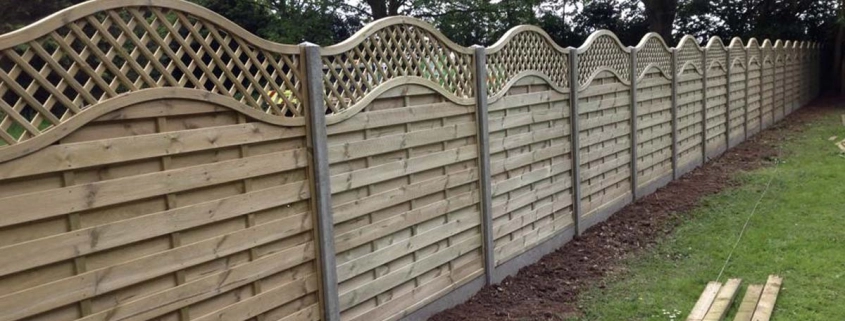
The right fencing can significantly enhance the overall look of your garden. It acts as a stylish frame, defining the boundaries and adding character to the landscape. Whether you prefer a rustic Lincolnshire post and rail fence or a sleek lattice top wooden panel fencing, we can help. Your choice of fencing can complement the existing elements of your garden and our team are always happy to advise you on different options.

Privacy and Seclusion

In a world where privacy is a precious commodity, a well-constructed fence can provide the seclusion you want. It creates a barrier that shields your garden from neighbours and passers by. This allows you to fully enjoy your outdoor space without feeling exposed. Our comprehensive fencing service offers various options, from 6ft panel fencing to trellises you can cover in climbing plants. The right fencing can provide the privacy you need while maintaining an inviting atmosphere.

 Security and safety

Gardens are often home to valuable plants, outdoor furniture and can be play areas for children and pets. The right fencing can enhance security, deterring trespassers and keeping your belongings safe. Sturdy fencing can also prevent unwanted animals from entering, reducing the risk of damage to your garden. At Simpson Arboriculture, we prioritise not only the aesthetic but also the durability and security aspects of the fences we install.  

Creating functional zones

A well-designed garden offers distinct functional zones, such as a dining area, a play area or a relaxation corner. Fences can help define these zones, creating a sense of organisation and order. By strategically placing fences, you can visually separate these areas while maintaining a cohesive overall design.

Supporting Plant Life

Fences aren’t just standalone structures; they can also serve as support for climbing plants and vines. By incorporating trellises or lattice-work into your fences, you can create vertical gardens that add an extra layer of beauty to your outdoor space. These green elements soften the look of the fence and blend it seamlessly with the surrounding vegetation.

Simpson Arboriculture can help

At Simpson Arboriculture, we understand the importance of the perfect fencing in enhancing the beauty, privacy, security and functionality of your garden. From providing a quotation and sourcing fencing materials to carrying out the work in a professional and timely manner, this is a great option for your next garden project. You can get in touch via our website or give you a call in the office.

Ash dieback is a serious disease affecting ash trees across Europe. It is caused by the fungus Hymenoscyphus Fraxineus and can have a detrimental effect on this species of tree. It can lead to symptoms such as leaf loss, crown dieback and often decline or death of the tree. That’s why it is imperative for landowners to be aware of the implications of ash dieback, both for the health of your trees and the safety of those around you.

Our team at Simpson Arboriculture are knowledgeable and experienced in assessing and carrying out work on trees with ash dieback. Our approaches vary widely depending on the scale of the decline and the location of the tree. Trees are essential for a thriving environment and not all trees that have ash dieback need to be removed. We consider a range of factors to determine the best approach in managing ash dieback.

Ash dieback: landowner responsibilities

  1. Identification and monitoring. It is important to inspect ash trees regularly and monitor any decline or signs of dieback. This can include blackened leaf stems, wilting leaves and dead branches.
  2. Documentation. It is helpful to keep records of any of your ash trees you have concerns about. E.g., in the form of dated photos and observations. These can be useful to compare over time, especially if you are concerned that a tree is showing signs of decline.
  3. Consult a professional. We would always recommend speaking to a professional, such as our experienced team at Simpson Arboriculture. We can identify signs of ash dieback and offer advice on an appropriate course of action.

Ash dieback: public safety

Trees weakened by ash dieback can pose a risk of failing. Dieback can severely affect the stability of the tree. Even if a tree looks stable from the outside, it can still behave unpredictably. Trees with ash dieback are at a higher risk of falling or having limbs or branches break. Public safety is of the utmost importance and landowners should consider the following points:

  1. Risk assessment. Conducting regular risk assessments or having a professional arborist do so for you is important. This is particularly true if your trees are close to paths, roads, buildings and public spaces.
  2. Preventative action. Sometimes, removing certain branches or reducing the crown of the tree can mitigate potential hazards.

At Simpson Arboriculture, we have machinery such as MEWPs, excavators and our tractor. These can be used when a tree is not safe for our arborists to climb. It is recommended that trees with ash dieback are sectionally dismantled rather than felled. This is because ash dieback can affect the structural integrity of a tree, making them highly unpredictable. This is a great way to ensure that the job is carried out with safety as the first priority.

Ash dieback: legal considerations

  1. Duty of care. As a landowner, you have a legal duty to ensure that trees on your property do not pose a danger to others.
  2. Regulations and permissions. Check with your local authority regarding any conservation areas or Tree Preservation Orders (TPOs). This might mean that you are required to submit an application to apply for permission before having any tree work carried out.
  3. Wildlife protection. It’s also important to be aware of laws for wildlife protection. For example, some activities may need to be restricted during certain times of the year due to nesting birds.

Ash dieback: protecting wildlife

As with many native species, ash trees provide an abundant habitat for a range of wildlife including birds, insects and fungi. Therefore, both tree owners and arborists need to consider the impact on wildlife and works planned accordingly.

For example, you may choose to leave an ash tree that is in decline but well away from any roads, paths or public spaces may be left if it has good habitat potential. Alternatively, if an ash tree must be removed for safety purposes, the landowner may consider leaving the stem as a ‘habitat pole’ so it can still provide a habitat for some wildlife.

Trees absorb a huge amount of carbon from the atmosphere. As ash trees are the second most abundant tree species in the UK after oak trees (Department for Environment, Food and Rural Affairs, June 2019), they are not only an important part of our landscape and environment, but essential in combatting climate change.

Ash dieback: when to take action

Early stages. Monitor and document the health of your ash trees, or ask a trusted arboricultural professional. Minor infections may not require immediate action, but changes should be monitored annually.

Advanced infection. Trees showing multiple signs of ash dieback, e.g., dead branches and structural issues, should be assessed by a professional. Pruning or removal of certain branches or limbs may be required to prevent future risks.

Preventative measures. In busy public areas with lots of infrastructure, proactive removal of infected trees may be advised to prevent future risks.

Conclusion

To conclude, it is imperative for landowners to be aware of their role and responsibilities in managing ash dieback. Landowners have a duty to monitor and identify the signs of ash dieback and consult a professional arborist for further advice if they are concerned. You can also refer to A Farmer’s Guide to Ash Dieback for further information.

Simpson Arboriculture are a professional and trusted local tree surgery company based in Ancaster, Lincolnshire. With over 18 years’ experience, we have gained a great reputation for carrying out all areas of tree work safely and efficiently.

If you are concerned that your trees may be showing signs of ash dieback, you can get in touch with us via our enquiry form on our website, or you can give us a call in the office.   

References

https://www.gov.uk/government/publications/ash-tree-research-strategy-2019/conserving-our-ash-trees-and-mitigating-the-impacts-of-pests-and-diseases-of-ash-a-vision-and-high-level-strategy-for-ash-research#ministerial-foreword