Overhanging branches, blocked light and falling leaves creeping into your garden can all lead to one common question: Can I prune my neighbour’s tree?

The short answer is yes — in some circumstances. However, there are important legal considerations, neighbourly etiquette and tree protection laws to be aware of before organising for any work to be carried out.

Here’s what homeowners in the UK should know.

Can I cut back branches hanging over my property?

In the UK, you generally have the legal right to cut back branches or roots from a neighbour’s tree if they cross over your property boundary. This is known as your “right to abate a nuisance”.

However, there are a few important conditions:

  • You can only cut back to the boundary line
  • You must not go onto your neighbour’s property without permission
  • You should avoid causing unnecessary damage to the tree
  • You remain responsible for carrying out the work safely

We would always recommend contacting a qualified tree surgeon to carry out any pruning work, to ensure that the pruning supports the health of the tree, and that work is completed to a high standard.

Who owns the cut branches?

Legally, any branches, fruit or cuttings removed from the tree still belong to the tree owner — your neighbour.

It is considered good practice to offer the cuttings back to them rather than simply disposing of them. In reality, many neighbours will not want them, but offering first helps avoid unnecessary disputes.

Should I speak to my neighbour first?

Absolutely.

Even if you are legally entitled to prune the overhanging growth, a friendly conversation beforehand can prevent misunderstandings and maintain good relationships.

Your neighbour may:

  • Already be planning work on the tree
  • Prefer to arrange professional pruning themselves
  • Be unaware the tree is causing an issue

Approaching the situation politely often leads to the best outcome for everyone involved.

What If the tree has a Tree Preservation Order (TPO)?

If the tree is protected by a Tree Preservation Order (TPO) or located within a conservation area, permission from the local authority may be required before any pruning work takes place — even if the branches extend into your garden.

Carrying out unauthorised work on a protected tree can lead to significant fines.

If you are unsure whether a tree is protected, your local council or a professional arborist can help check before work begins.

What if the tree is dangerous?

If a neighbour’s tree appears unsafe or is causing damage, it is best to raise the issue with them as soon as possible.

Signs may include:

  • Dead or hanging branches
  • Large cracks in the trunk
  • Significant leaning
  • Fungal growth around the base
  • Storm damage

Where there is genuine risk, a qualified tree surgeon can inspect the tree and provide advice or a written report if needed.

The importance of professional tree pruning

Improper pruning can permanently damage a tree, create safety risks and even make future problems worse.

Professional tree surgeons understand:

  • Correct pruning techniques
  • British Standards for tree work
  • Tree biology and health
  • Safe climbing and dismantling methods
  • Legal restrictions and permissions

Whether the issue is overhanging branches, excessive shading or storm damage, expert advice can help resolve matters safely and responsibly. Simpson Arboriculture are fully qualified, experienced and insured, so both you and your neighbour can rest assured that everything is taken care of.

Final thoughts

So can I prune my neighbour’s tree? Yes, you can usually prune parts of a neighbour’s tree that cross into your property — but only within certain limits.

The best approach is always:

  1. Speak with your neighbour first
  2. Check for legal protections
  3. Use professional advice where needed
  4. Avoid damaging the tree

Handled properly, tree-related issues can often be resolved quickly and amicably without escalating into disputes.

If you are unsure how to proceed, a qualified tree surgeon such as Simpson Arboriculture can assess the situation and recommend the safest course of action.

If you are interested in finding out more, you can get in touch with us via our website. Our friendly team would be happy to discuss thew work with you and answer any questions you may have.

If you’ve been advised that your tree needs some attention, you may have come across terms like crown lifting and crown reduction. While they might sound similar, they serve very different purposes—and choosing the right approach can make a big difference to the health, safety, and appearance of your tree.

So what is the difference between crown lifting and crown reduction? In this blog, we will provide a clear breakdown to help you understand what each involves and when they are typically used.

What is Crown Lifting?

Crown lifting is the process of removing the lower branches of a tree’s canopy (its “crown”) to increase the clearance between the ground and the lowest branches.

This is often carried out to:

  • Improve access for pedestrians, vehicles, or machinery
  • Allow more light into a garden or property
  • Prevent branches from obstructing paths, roads, or driveways
  • Improve visibility, for example near road junctions

Rather than altering the overall size of the tree, crown lifting simply raises the height of the canopy. The shape and structure of the upper crown remain largely unchanged.

A careful approach is important—removing too many lower branches at once can affect the tree’s balance and long-term health. We would always advise having this carried out by professional tree surgeons. Qualified and experienced arborists will know how to effectively crown raise a tree to achieve the intended outcome, whilst supporting the health and balance of the tree.

What is Crown Reduction?

Crown reduction involves reducing the overall size of the tree’s canopy by shortening the outer branches. This is done by selectively cutting back to suitable growth points, maintaining the tree’s natural shape.

It’s commonly used to:

  • Reduce the height or spread of a tree
  • Manage trees that have outgrown their space
  • Minimise the risk of branch failure in exposed areas
  • Reduce shading or encroachment over buildings

Unlike crown lifting, crown reduction affects the entire canopy and requires skilled pruning to ensure the tree remains healthy and structurally sound. Again, as with any tree surgery work, you’re always best consulting a professional tree surgeon or tree surgery company to carry out the work.

Key Differences at a Glance

  • Crown lifting removes lower branches to raise clearance
  • Crown reduction reduces the overall size of the canopy
  • Crown lifting improves access and light at ground level
  • Crown reduction manages size, safety, and spread

Which One Does Your Tree Need?

The right approach depends on your goals and the condition of the tree. For example:

  • If branches are hanging too low over a driveway or garden, crown lifting is usually the best option
  • If a tree has become too large or is causing concern near buildings, crown reduction may be more appropriate

In some cases, a combination of both techniques can be used to achieve the desired result.

A Final Thought

Tree work is as much about long-term care as it is about immediate results. Both crown lifting and crown reduction should be carried out with an understanding of the tree species, its growth habits, and its surroundings.

If you’re unsure what your tree needs, getting professional advice ensures the work is done safely and in a way that supports the tree’s health for years to come. At Simpson Arboriculture, our team are fully qualified and experienced, making us a great choice to carry out your next tree work project.

If you would like guidance on the best approach for your trees, you can get in touch with us via our website. We would be happy to arrange for one of our team to come out and discuss the work with you.

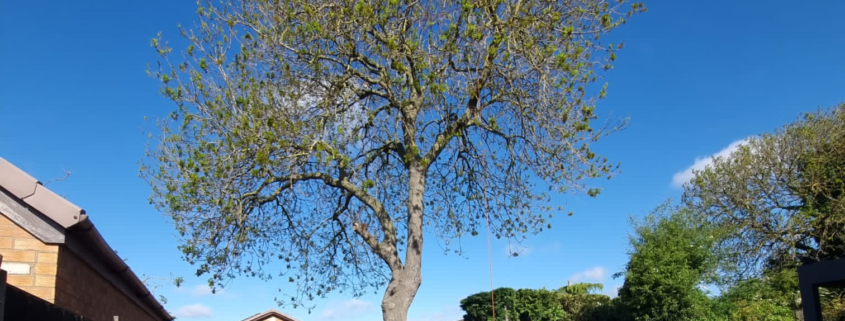
Ash tree

Today, we are addressing a common query among our customers: What’s the difference between tree pollarding and crown reduction? These two pruning techniques may sound similar, but they serve distinct purposes in maintaining the health and aesthetics of a tree. Let’s shed some light on when and why each method could be undertaken.

Understanding tree pollarding

Tree pollarding is a specific pruning technique that involves the removal of all branches and stems of a tree back to the trunk. This severe form of pruning results in a compact head of branches, often referred to as a ‘Pollard head’. We would typically carry this out above the ground depending on the size of the tree.

  • Aesthetic control: We may carry out tree pollarding to control the size and shape of a tree. This can be especially useful in urban areas with limited space.
  • Long term maintenance: When carried out correctly, pollarding can extend the lifespan of certain tree species. It encourages the growth of a dense network of young shoots, which can reduce the risk of disease and decay.
  • Urban adaptation: We also may choose pollarding as an option to manage a tree’s size and shape within the confines of urban environments, thus preventing interference with power lines and buildings.

Understanding crown reduction

Crown reduction on the other hand, is a less radical approach to tree pruning. This technique involves selectively reducing the height and spread of a tree’s crown while maintaining its natural shape.

  • Canopy reduction: Crown reduction focuses on removing specific branches to decrease the overall size of a tree’s canopy. We often employ this method to address issues such as crowding, light obstruction or proximity to structures
  • Health improvement: Crown reduction can enhance a tree’s overall health by eliminating dead or diseased branches. This allows for better air circulation and sunlight penetration, promoting a healthier, more resilient tree
  • Aesthetic appeal: After discussion with a customer, we commonly choose this approach for its ability to maintain the natural form of a tree while addressing issues related to size and structure

Choosing the right technique

The decision between tree pollarding and crown reduction depends on various factors, including the tree species, its location and the aims and objectives of the work. Consulting with a professional and experienced arborist, such as our team at Simpson Arboriculture, is crucial. We can assess your tree and suggest appropriate action which will both achieve the customers’ aims and support the health and longevity of the tree. We specialise in carrying out tree work to ‘British Standard BS3998: 2010 Tree Work- recommendations’.

Conclusion

In the world of arboriculture, understanding the distinctions between tree pollarding and crown reduction is key to making informed decisions about the maintenance of your trees. Whether you’re looking to control size, improve aesthetics or enhance the health of your trees, Simpson Arboriculture is here to help! We can provide expert advice and professional services tailored to meet the needs of your trees. You can get in touch with us in the office or via our by submitting an enquiry on our website.