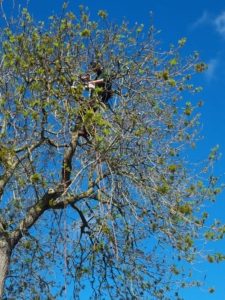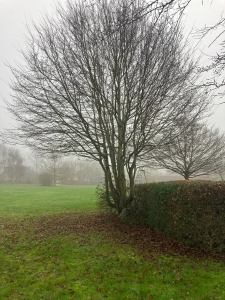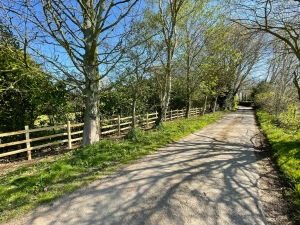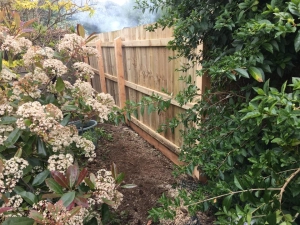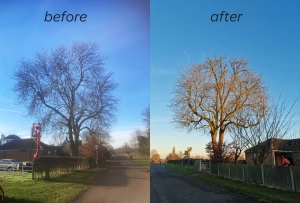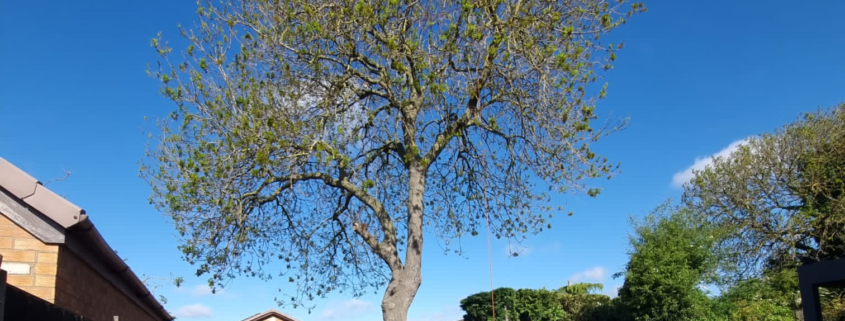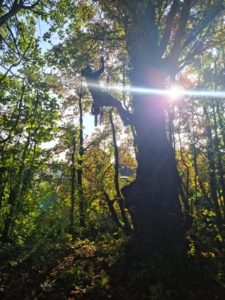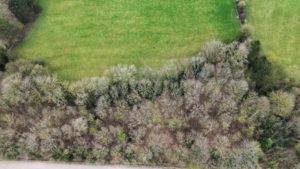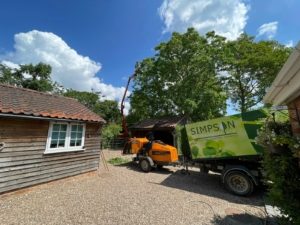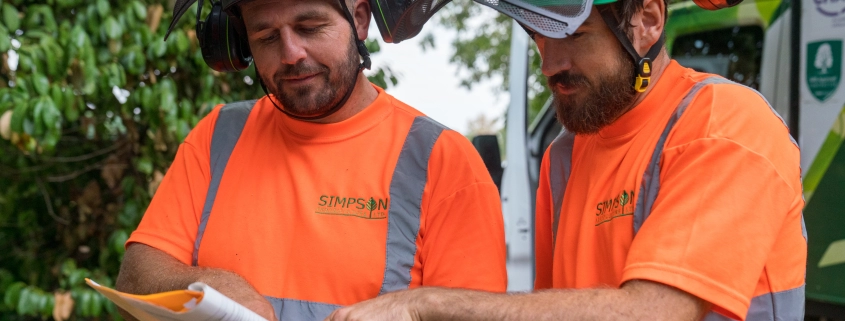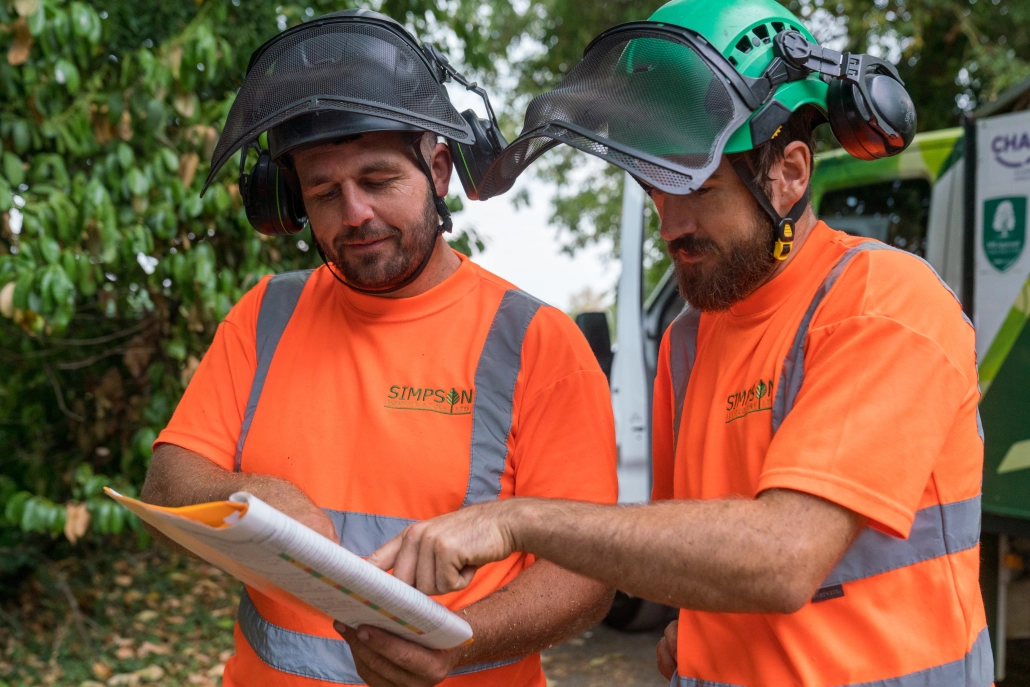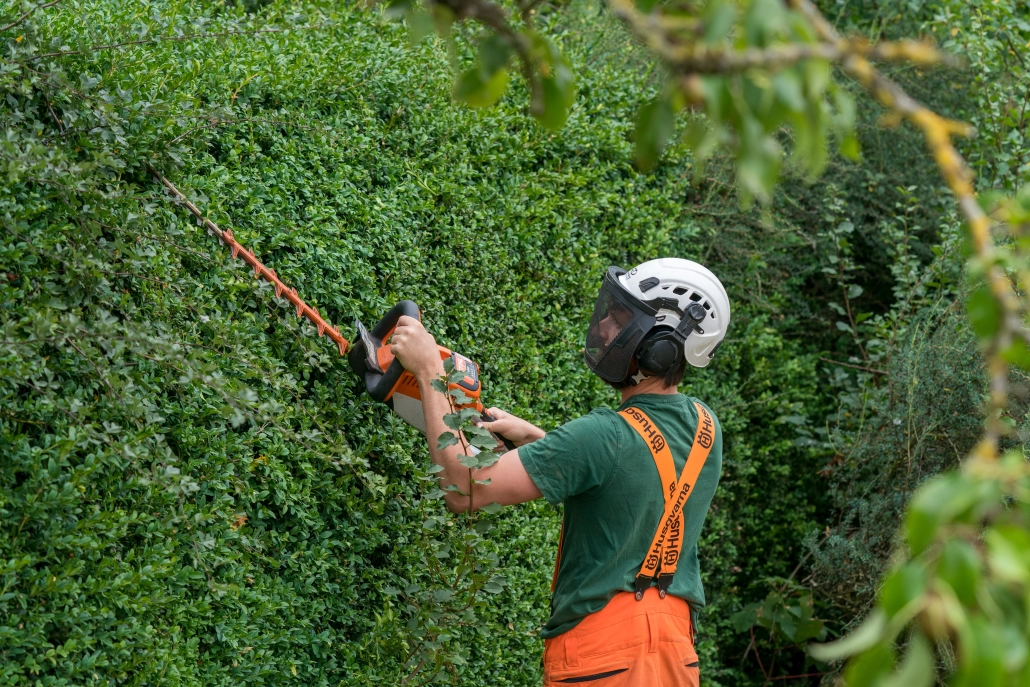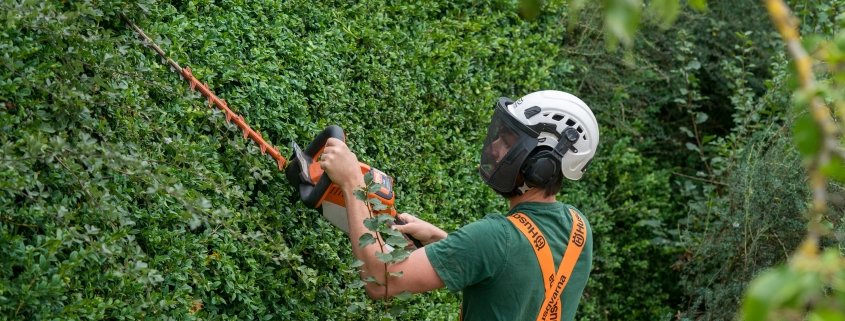
As the weather’s getting warmer and the nights are getting lighter, it’s time to turn our attention to the vital task of spring pruning. While it may seem like a simple chore, pruning plays a pivotal role in nurturing the health and beauty of our trees. In this blog, we’ll delve into why spring is the perfect season for pruning trees and explore the myriad benefits it brings to both tree and landscape.
Why spring pruning?
Spring is a season of renewal, making it the optimal time to tend to the needs of our trees. Here are several reasons why:
Assess any issues. The harsh winter months can take their toll on trees, leaving them vulnerable to damage and disease. Spring is an ideal time to assess and address any issues such as broken or damaged branches.
Stimulate growth. Trees experience a surge of growth in the spring. Pruning during this time encourages new growth by removing dead or weak branches, allowing the tree to redirect its energy towards healthy development.
Disease and pest management. Dead or diseased branches not only detract from the beauty of a tree, but also serve as entry points for harmful pathogens and pests. By removing these compromised branches in spring, we can mitigate the risk of disease, safeguarding the overall health of the tree.
Shape and structure. Proper pruning in spring helps shape the growth of trees, enhancing their aesthetic appeal and structural integrity. By selectively removing branches, we can sculpt the tree’s canopy, improving air circulation, sunlight and overall form.
Benefits of spring pruning
The advantages of spring pruning extend beyond the aesthetic, encompassing a range of benefits that contribute to the long-term vitality of trees:
Promotes healing. Pruning optimises the tree’s natural healing process, compartmentalising wounds to minimise the risk of decay.
Enhances flowering and fruit production. For flowering and fruit bearing trees, spring pruning can significantly impact the quality and quantity of blooms or fruits. By removing dead or overcrowded branches, we create space for new growth.
Preserves tree longevity. A well-maintained tree is more likely to enjoy a long and healthy life. By implementing regular pruning practices, we can prolong the lifespan of trees, ensuring they thrive for many years to come.
How we can help
At Simpson Arboriculture, we recognise that spring pruning is vital for nurturing the health and beauty of your trees. With our expertise, we go beyond mere maintenance. By entrusting our skilled team with your spring pruning needs, you’ll be investing in the longevity and vitality of your landscape. To find out more or arrange a quote, you can get in touch with us in the office or make an enquiry via our website.
https://simpsonarboriculture.co.uk/wp-content/uploads/2015/10/tpo-ash-jpg.webp11641512Katehttps://simpsonarboriculture.co.uk/wp-content/uploads/2022/12/simpson_logo_pad.pngKate2026-04-27 11:29:532026-04-29 14:13:46The Importance of Spring Pruning: Enhancing Tree Health and Appearance
Summer can bring a whole manner of challenges for trees- from heat stress and drought to summer storms. At Simpson Arboriculture, we know first-hand that regular tree maintenance can help keep trees healthy and reduce risks.
High temperatures and drought can hugely impact the health of trees. It can cause leaf scorch, wilting and dehydration. Signs to look out for include brown or curling leaves and even premature leaf drop.
How to protect your trees from heat stress
Adding a layer of mulch around the base of a tree is a great way to retain moisture and regulate soil temperature. Deep watering is also vital to help trees stay hydrated. During hot weather, we would recommend watering early in the morning or late in the evening. Watering during hot, sunny weather can cause leaves to scorch. Deep watering is much more effective than frequent, shallow watering.
For suggestions of tree species that cope well with dry, hot conditions, you can gain more information by having a read of The Royal Horticultural Society’s (RHS) article: Trees for Climate Change.
The risks of summer storms
Summer storms can wreak havoc for your trees. They often bring ample amounts of rainfall which can cause waterlogging. They also very often bring high winds. This can cause tree branches to break and fall. Any weak points in trees that have been left unchecked can soon make themselves known in the form of snapped out branches or falling limbs.
Preparing for stormy weather
As with many things, preparation is key! We always recommend assessing your trees regularly to ensure that they are in good health and vitality. As part of your summer tree maintenance, checking for weak points, dead branches or even overgrown branches is essential. These could quickly become hazardous if left unchecked. Did you know that thinning out a tree’s canopy can reduce wind resistance by allowing the wind to move through it more easily?
At Simpson Arboriculture, our professional team can advise you on the health and condition of your trees, and suggest key maintenance work to keep them healthy and minimise risk. From removing dead branches, thinning a tree’s canopy or reducing overhanging branches, we have the knowledge and expertise to advise you on what is most necessary. Our friendly team at Simpson Arboriculture can take care of the whole process from start to finish.
Get in touch
In conclusion, it’s always good to be prepared! Summer tree maintenance is very often better (and cheaper) than dealing with dehydrated or storm damaged trees afterwards. As a tree owner, there are lots of things you can do to ensure the health of your trees yourself, from mulching and regular watering, to doing annual visual checks of your trees.
If you think your trees would benefit from some expert tree maintenance work, contact Simpson Arboriculture. You can reach us in the office or via our website. We are always happy to discuss different options, sharing our professional opinions and quote for any work that is needed.
https://simpsonarboriculture.co.uk/wp-content/uploads/2022/12/simpson_logo_pad.png00Katehttps://simpsonarboriculture.co.uk/wp-content/uploads/2022/12/simpson_logo_pad.pngKate2026-04-24 13:44:402026-04-29 14:11:36Summer tree maintenance: protecting your trees from heat and storms
Do you need a tree pruning, removing or assessing? Hiring a professional tree surgeon in Lincolnshire such as Simpson Arboriculture ensures the job is done safely and efficiently. But if you have never used a tree surgeon before, you may be wondering what to expect.
Here’s a guide to help you understand the process. We can guide you in what to look for when hiring a tree surgeon in Lincolnshire. Simpson Arboriculture are available to cover all of your tree surgery needs.
1. Initial contact and consultation
At Simpson Arboriculture, the process begins with an initial enquiry. This is either by phone, email or via our online form. At this stage, our tree surgery customers in Lincolnshire provide their contact details. It’s also a good idea to provide details such as:
The type of tree work required (ie.. tree pruning, tree crown reduction, tree removal, site clearance, stump grinding, etc)
The size and location of the tree/s
Any access restrictions or potential challenges
If the tree is in a conservation area or is protected by a TPO (Tree Preservation Order).
2. Site visit and quotation
For us, the next step would be to arrange a site visit. This usually involves one of our experienced managers coming out to have a look in person.
During the visit they will:
Evaluate the health and structure of the tree/s
Assess potential risks and safety concerns
Consider factors like nearby buildings, power lines or protected areas
Recommend the best course of action
This is also a great opportunity for them to foresee any challenges or restrictions that need to be planned for.
Following the site visit, you will receive a written quotation. This is usually by email, although we can also send this out as a paper copy if required. This will include details of the work specification, our terms and conditions and a total cost.
3. Understanding the work plan
Any reputable tree surgeon such as Simpson Arboriculture in Lincolnshire will explain the work in detail. This ensures that our customer understands the process. This may include:
The equipment that will be used (e.g. a MEWP for access the tree, stump grinder, or tractor and trailer to remove waste etc)
Waste removal options (e.g. chipping and removing all waste, leaving chip or logs for the customer)
Any necessary permissions (e.g. where there are TPO or Conservation Area restrictions)
If a power line shutdown is required for the work to be carried out safely
For these services (permissions or power shutdowns), we can apply and oversee the whole process for a £25 admin fee. This will be listed on the quotation where applicable.
We always include a copy of our company’s Terms and Conditions, and encourage our customers to get in touch with our friendly team if they have any queries.
4. Accepting the quote and booking in
If the customer is happy with the quotation, they will contact us in the office to let us know they would like to go ahead. We will then come back with our next available date. This can vary depending on the nature of the job, time of year and how busy we are. We do always try and notify customers early on if we have a particularly long wait time.
At this stage, our staff at Simpson Arboriculture would then make a start on any TPO/ conservation area applications if required. They would also get in touch with National Grid to arrange a power shutdown if needed.
5. The day of the job
We will always notify our customers of an approximate arrival time for our team, so they know when to expect them. We will usually ask for any cars to be moved off the drive beforehand if they require access for vehicles or machinery. The team leader will knock on the door and check in with you, go through any final details and ask any questions. This is a great time to ask anything you are unsure about, or let the team know any other information they might need.
The team will then get started! They work hard and are very self-sufficient, so at this stage you can rest assured that everything is being taken care of by our experienced and professional team.
On completion of the work, the team will then let you know they are finished and ask you to come out and check that you are happy with everything. It’s really important to let the team know if you have any queries at this point, e.g. if anything has been missed. It’s always better to resolve any issues while the team are there. Our friendly team will endeavour to ensure that our customers are fully satisfied with the work carried out.
6. After the job & payment
Once all of the work has been completed and you are happy with everything, we will then send you an invoice. This is usually within one to three days. We offer payment via BACS transfer, or we accept cheques. We always love to hear feedback from our customers. This helps us know what we are doing well, and if there are any areas we can improve on. an email or a phone call are always appreciated if you do have feedback you would like to share. Our team in the office can then ensure this is passed onto the rest of the team.
Get in touch!
Overall, hiring a professional tree surgery company such as Simpson Arboriculture takes the stress out of the job. Our customers can rest assured that the whole process will be taken care of from start to finish, and the job will be completed safely and effectively. By allowing our customers to understand the process, you can feel confident in choosing the right professionals for your garden needs.
You can visit our website to find out more about the services we can offer.
If you require a tree surgeon based in Lincolnshire, get in touch! Our friendly team are available to contact by phone, or via our enquiry form on our website. Quotations are free of charge and we are always happy to discuss your needs and answer any questions you may have.
https://simpsonarboriculture.co.uk/wp-content/uploads/2023/04/paperwork-scaled.webp17082560Katehttps://simpsonarboriculture.co.uk/wp-content/uploads/2022/12/simpson_logo_pad.pngKate2026-04-24 13:41:142026-04-30 13:39:52Hiring a tree surgeon in Lincolnshire: Ask an expert
Welcome to Simpson Arboriculture- your go-to experts for all things tree related in Grantham, Lincolnshire. As a small tree surgery company passionate about greenery, we understand the importance of a beautiful landscape. A well-maintained outdoor space really does enhance the aesthetics of your property. In this blog, we’ll share some valuable tips to help you create a stunning landscape that stands out. From tree surgery to fencing, stump grinding to hedge trimming, we’ve got you covered.
Tree surgery excellence
Trees are the backbone of any landscape, providing shade, oxygen and visual appeal. Our expertise lies in tree surgery, ensuring that your trees are healthy, safe and enhance the overall beauty of your garden. Regular pruning, shaping and removal of dead branches can make a significant difference.
Stump grinding
Nothing disrupts the flow of a landscape like unsightly tree stumps. Our stump grinding services can effectively eliminate these obstacles, creating a smooth and seamless surface. Once those stumps are gone, you’ll have more space for other landscaping elements.
Fencing for security and style
A well-designed fence not only adds a layer of security to your property, but also serves as a decorative element. Our fencing solutions, from feather edge to Lincolnshire post and rail, can be used to complement the natural beauty of your landscape. Our team can advise you on the best options for your garden. We take care of the whole process from start to finish.
Precision pruning
Whether it’s shaping shrubs, maintaining the form of ornamental trees, or encouraging healthy growth on your fruit trees, our pruning services contribute to a neat and manicured landscape. A well-pruned garden not only looks appealing, but also promotes plant health and longevity.
Hedge trimming
Hedges are like the green framework of your outdoor space. Regular trimming ensure they remain tidy and defined. Our hedge trimming services add structure and elegance to your landscape, creating a polished and well-maintained appearance.
Get in touch
At Simpson Arboriculture, we take pride in transforming outdoor spaces. By combining our expertise in tree surgery, stump grinding, fencing, pruning and hedge trimming, we can help you achieve a landscape to be proud of. To find out more about our services, you can find ample information on our website. If you would like to arrange a quotation, you can get in touch with us in the office or submit an enquiry on your website.
https://simpsonarboriculture.co.uk/wp-content/uploads/2023/06/Hedge-trimming-1-scaled.webp17082560Katehttps://simpsonarboriculture.co.uk/wp-content/uploads/2022/12/simpson_logo_pad.pngKate2026-03-17 09:03:492026-04-29 14:14:23Elevate your Outdoors: Tips for Creating a Beautiful Landscape
Simpson Arboriculture are a trusted and well-established tree surgery company based in Ancaster, Lincolnshire. Trees are not just beautiful additions to our landscapes; they are essential for a healthy environment. However, as majestic as they are, trees can pose potential risks if not properly maintained. In this blog, we’ll explore the crucial role of tree surgery in ensuring the safety of your property and more importantly, your loved ones.
The importance of tree safety
When left unchecked, trees can develop structural issues, diseases and hazardous limbs that may compromise their stability. These issues pose a threat to your property and the people around. Tree safety is not just about preventing damage to structures, it is also about protecting the well-being of those who inhabit the area.
The role of tree surgery
Tree surgery, or arboriculture, involves a range of practices aimed at promoting tree health, maintaining structural integrity and mitigating potential risks. Here’s how tree surgery can contribute to overall tree safety:
Regular inspection: Professional arborists can identify signs of disease, decay or structural weaknesses. Early detection allows for timely intervention, preventing potential hazards.
Pruning for safety: Tree surgery includes strategic pruning to remove dead, damaged or weak branches. This not only enhances the tree’s aesthetics but also reduced the risk of falling limbs during storms or adverse weather conditions.
Structural support: In cases where a tree has structural issues or is at risk of failure, arborists such as our experienced team at Simpson Arboriculture, can provide support systems such as cabling and bracing. This helps stabilise the tree, reducing the likelihood of branches or the entire tree falling.
Emergency response: Simpson Arboriculture are equipped to handle emergency situations, such as storm damage or fallen trees. Our quick response and expertise ensure a safe and efficient resolution to protect your property and loved ones.
Our experienced team have ample experience in dealing with fallen limbs, deadwood and trees blocking roads. They have attended emergency callouts on many occasions where trees have failed during storms and high winds and have had the power to destroy walls, fences, garden structures and even roofs.
Conclusion
At Simpson Arboriculture, we understand the significance of tree safety. Our team of skilled arborists is dedicated to preserving the beauty of trees while ensuring the safety of your family and property. Regular tree surgery not only enhances the aesthetic appeal of your landscape, but also contributes to a secure and hazard-free environment.
If you have concerns about the safety of your trees or would like to schedule a visit for us to provide a quotation for work, contact us today. You can reach us in the office, or you can submit an enquiry on our website.
https://simpsonarboriculture.co.uk/wp-content/uploads/2023/05/f5026c24-f438-43c2-999a-83058e06857e-jpg.webp20481536Katehttps://simpsonarboriculture.co.uk/wp-content/uploads/2022/12/simpson_logo_pad.pngKate2026-01-24 14:34:102026-04-29 14:14:03Tree Safety: How Tree Surgery Can Keep You and Your Family Safe
With the days getting longer and the weather (finally!) getting warmer, summer is just around the corner. For many of our customers, this means getting outdoors and enjoying their garden space. It’s also an ideal time to carry out some essential tree care. Whilst many people associate the autumn and winter months with tree pruning, care and maintenance, summer can also be a great time to carry out certain tasks.
At Simpson Arboriculture, our team can help! Our team of experienced arborists can advise you on maintenance and tree pruning and carry out any work needed professionally and efficiently.
Here are a few of our summer tree care tips. These are some helpful things you can do to ensure that your trees thrive all year round.
Assessing the health of your trees. It is important to check your trees for any signs of weakness or damage regularly. This can help prevent any damage to your home or garden being caused when the weather changes and we experience more high winds and storms over the autumn and winter months. If you have any concerns, our team would be happy to have a look and advise you on any work that could support the health of the tree whilst keeping the trees safe.
Removing dead, diseased or damaged branches. Removal of branches that are likely to snap out or fail is essential for tree owners. Summer is a great time to carry out this kind of maintenance ahead of the autumn and winter months.
Tree watering tips. During the summer, particularly during periods of low rainfall and higher temperatures, you should water younger trees regularly. Deep watering will allow the tree’s roots to stay saturated- only watering on the surface will mean that most of this evaporates. Watering once or twice a week is usually about right, especially for young trees. We advise watering early in the morning to avoid leaf scorch and evaporation.
Mulching. Adding mulch in around the base of young trees is a great way to conserve moisture during the warmer months. It’s also a great way to prevent weeds from encroaching. Tree owners should clear any grass and weeds to allow around a 1 metre radius. You can add woodchip or shredded bark in a loose 2–3-inch layer, avoiding direct contact with the trunk of the tree. This will allow oxygen to flow freely to the root system.
Summer tree pruning. There are several tree species that the Arboricultural Association advise can be pruned during the summer months. These include magnolia, cherry, walnut, maple, birch and beech. Magnolia for example is prone to bleeding when pruned, so pruning during mid-summer allows ample time for healing to begin before the dormant season. Arborists can be carried out on many other tree species during the summer months. Our knowledgeable team will be able to recommend the best times for pruning and we can arrange this accordingly. For more information, you can refer to the Arboricultural Association’s ‘Guide to Tree Pruning’ leaflet.
Checking your trees. Do you have a tree supporting a washing line, or any Christmas lights still up in the garden? If so, it’s important to check that these are loose enough around any tree branches. Owners should loosen any lights or other wires that are tightly wrapped around the branches, as these can result in wounds or damage to the bark. In some cases, they can also inhibit a tree’s growth.
Get in touch
So as we move into summer, be sure to keep up with your tree care and maintenance. If you would like some advice or a quotation for your tree work, our experienced team at Simpson Arboriculture are happy to help. Visit our website and submit an enquiry, or give our team a call in the office.
Regular tree care and maintenance through the seasons can ensure safe, healthy and thriving trees for many years to come.
https://simpsonarboriculture.co.uk/wp-content/uploads/2024/05/dbfc2920-71f8-4cff-a241-075d9eaac147-2.jpg16001200Katehttps://simpsonarboriculture.co.uk/wp-content/uploads/2022/12/simpson_logo_pad.pngKate2025-05-01 11:17:162026-04-29 14:12:47Summer tree care tips
Welcome to Simpson Arboriculture, your trusted local tree surgeons based in Ancaster, Lincolnshire. We take great pride in offering high standard tree work both in our local community and further afield. We have a deep-rooted passion for trees and a commitment to preserving the natural beauty of our community. In this blog, we invite you to learn more about Simpson Arboriculture, the range of services we provide and reasons why you should choose us for your next garden project.
Your Local Tree Surgeons: Who We Are
Started by William Simpson back in 2006, Simpson Arboriculture is a trustworthy, professional and well-established tree surgery company. Based on the family farm, Will and his wife Kate work full-time to ensure the smooth day-to-day running of the business. Kate runs the office while Will works daily on-site and manages multiple teams carrying out various tree work and site clearance across Lincolnshire and further afield. We 17 years’ experience, we have built up a loyal customer base and a great reputation as professional local tree surgeons.
Your Local Tree Surgeons: Our services
Tree surgery. As trusted local tree surgeons, we have a great reputation for carrying out quality tree work. We specialise in carrying out tree work to ‘British Standards BS3998: 2010 Tree Work Recommendations’. This means that the finished result not only looks great, but supports the overall health of the tree.
Tree removal. While trees are a fantastic asset, sometimes they do require removal. Our professional and trustworthy arborists will be able to discuss and explain the options for tree removal.
Hedge care and tree planting. Simpson Arboriculture offer hedge trimming and hedge reduction. We are also proud to offer both tree and hedge planting services. With extensive tree and hedge knowledge, our team are always happy to advise you.
Fencing. From sourcing to installation, our team at Simpson Arboriculture can manage the whole fencing project from start to finish on a wide variety of fences. We carry out the work in a professional and timely manner.
Site clearance. Our specialised machinery make light work of removing trees and vegetation from a site. We get the job done in the safest, most efficient and cost-effective way possible.
Firewood. Our ‘Ready to Burn’ kiln-dried, hardwood logs are available throughout the year and delivered directly to your door. Logs are sustainably sourced using BSL authorised virgin wood.
Why Choose Us?
Our team at Simpson Arboriculture consists of experienced and qualified arborists who are passionate about trees and have many years of experience.
We have been officially recognised as being qualified to perform tree work by multiple health and safety bodies. This recognises that we work safely and efficiently and carry out tree work to the highest standard. We are proud to be recognised as an Arb Approved Contractor. This is the most prestigious accreditation scheme in the arboricultural industry. It’s a great way for customers to recognise a professional and qualified tree surgery company. Customer satisfaction is always a top priority for us. We carry out work to the highest standard, giving you peace of mind from start to finish.
With a friendly and professional team, many of our customers come back year on year and recommend us to their neighbours, friends and family.
Contact Us
If you’re in interested in finding out more about how we can help with your next garden project, you can call our office or submit an enquiry via our website. We would be happy to discuss your future requirements and arrange a free quotation.
https://simpsonarboriculture.co.uk/wp-content/uploads/2022/11/tree-surgery1-jpg.webp4571200Katehttps://simpsonarboriculture.co.uk/wp-content/uploads/2022/12/simpson_logo_pad.pngKate2024-08-04 15:23:372026-04-29 14:16:58Your Local Tree Surgeons
At Simpson Arboriculture, we take immense pride in our tree pruning and are committed to enhancing the beauty of your landscape. Trees are not only a vital part of our environment; they are also a significant investment in your property. Proper tree care and maintenance is essential to ensure their health, longevity and aesthetic appeal. In this blog, we will explore the art and science of tree pruning and how it can unlock the full potential of your trees.
Understanding the importance of tree pruning
Tree pruning is not simply about trimming away branches. It is a carefully planned and executed process aimed at improving tree health and structure. Pruning can remove dead, diseased or damaged branches, thus improving the overall health of the tree. Proper pruning can also transform the appearance of your trees, shaping them to complement your landscape and improving the visual appeal of your garden.
By eliminating crowded or crossing branches, pruning allows more sunlight and air circulation and stimulates new growth. Furthermore, regular attention reduces the risk of falling branches, thus making the tree safer. Our expert team of arborists at Simpson Arboriculture are qualified and experienced in carrying out tree pruning to a high standard.
The art of tree pruning: techniques
Different species and their growth patterns require specific pruning techniques for optimal results. Some common pruning methods include:
Crown thinning. This involves selectively removing inner branches to improve light penetration and air circulation within the crown, promoting healthy growth.
Crown raising. Raising the lower branches can create clearance for pedestrians, vehicles and buildings while maintaining the tree’s integrity.
Crown reduction. When a tree has grown too large for its surroundings, crown reduction helps reduce its height and spread, ensuring that it remains safe and visually appealing.
Deadwood removal. Removing dead or dying branches not only improves the tree’s appearance, but also eliminates potential hazards.
The science behind tree pruning
Pruning is not a one-size-fits-all approach. It requires a thorough understanding of tree biology and growth patterns. Our skilled arborists at Simpson Arboriculture assess each tree and recommend an approach accordingly. Factors such as species, age, health and time of year all play a part in determining the pruning approach that is needed.
Our team ensures that pruning is carried out during the appropriate seasons, as different trees respond differently to pruning at various times of the year. For example, deciduous trees are best pruned during their dormant season, while some flowering trees are pruned after they bloom.
Trust the experts at Simpson Arboriculture
Tree pruning is a delicate task that requires expertise, knowledge and the right tools. Attempting to prune your own trees can result in irreversible damage to the tree or even pose risks to your safety. By entrusting the care of your trees to our skilled professionals, you can be confident that the work will be carried out to a high standard.
Our team at Simpson Arboriculture provides top-notch tree surgery. Get in touch with us today to discuss your tree pruning needs. We would be more than happy to discuss the work with you. You can contact us by phone in the office or send us an enquiry via our website.
https://simpsonarboriculture.co.uk/wp-content/uploads/2015/10/04566ba1-14d3-4143-81e6-2e0ef6b38e58.jpg20161512Katehttps://simpsonarboriculture.co.uk/wp-content/uploads/2022/12/simpson_logo_pad.pngKate2024-08-03 16:21:172026-04-29 14:17:10Tree Pruning: Unlocking the Beauty of your Trees
At Simpson Arboriculture, we know that trees are not only a beautiful addition to your landscape but also vital for a healthy environment. To keep your trees thriving and safe, it’s essential to provide them with regular maintenance throughout the seasons. In this blog, we will discuss the importance of year-round tree care and the specific tasks you should consider to ensure that your trees remain healthy and strong.
Spring: Pruning and inspection
Spring is the season of renewal and it’s the perfect time to kickstart your tree maintenance routine. Here’s why:
Pruning. Early spring, before the leaves fully emerge, is an ideal time for tree pruning. This process helps remove dead or damaged branches and encourages new growth. It’s always best to check with the experts of course, as some tree species have different requirements. Our team at Simpson Arboriculture would be happy to advise you.
Disease and pest prevention. As trees start to bud, it’s essential to inspect them for signs of disease or pest infestations. Early detection can prevent these issues from spreading and causing serious damage.
Summer: Hydration and mulching
Hydration. Regularly water your trees, especially during dry spells to prevent stress and dehydration. Deep watering is more effective than surface watering.
Mulching. Apply a layer of mulch around the vase of your trees to retain moisture, regulate soil temperature and suppress weed growth.
Autumn: Removal and assessment
In the Autumn, leaves begin to fall and it’s time to start preparing your trees for winter.
Leaf removal. Keeping your lawn free of fallen leaves can help prevent diseases, improve air circulation and avoids suffocating your grass and trees
Assessment. Use the autumn season to inspect your trees for structural issues and consider pruning or cabling to prevent winter-related breakage.
Winter: Pruning and protection
While many trees may appear dormant in winter, it’s still a crucial season for maintenance.
Pruning (late winter). Late winter is an excellent time to prune trees while they are dormant. Again, it is always best to check with a professional to ensure that this is right for the tree species as the best time for pruning for some species will vary.
Protection from the elements. Winter storms can be harsh on trees. Be sure to protect them from heavy snow and ice, and consider wrapping young trees to prevent frost damage.
Year-round tree care and maintenance
Simpson Arboriculture emphasises the importance of regular tree maintenance through all seasons. Each season offers unique opportunities to care for your trees, ensuring their health, longevity and safety. If you’re unsure about the specific needs of your trees, it’s always a good idea to consult with a professional arborist. This will help you to plan your tree maintenance and the best time of the year to carry out the work. A little care throughout the year goes a long way in preserving the natural beauty of your garden and ensuring strong and healthy trees for many years to come.
https://simpsonarboriculture.co.uk/wp-content/uploads/2023/05/Crown-lifting-After-jpg.webp20481536Katehttps://simpsonarboriculture.co.uk/wp-content/uploads/2022/12/simpson_logo_pad.pngKate2023-10-30 13:38:582023-11-17 09:05:34The Importance of Regular Tree Maintenance Through the Seasons
Over the last 10 years, ash dieback has swept across the United Kingdom. It has caused havoc among the country’s ash tree population. Ash dieback is a fungal disease that affects ash trees. Ash trees are our third most common tree species in the United Kingdom. They are an incredibly valuable part of both urban and rural landscapes. They also provide habitats for over 1000 species of wildlife, including many birds and mammals.
With more than 60 million ash trees across the country, many are expected to become affected by ash dieback in years to come. It is likely that many of these affected trees will eventually pose a safety risk. This is particularly important to consider if a tree is in a park, garden or on a roadside. In this blog we will address what to look for in ash trees and explore ash tree treatment.
Ash dieback: What signs to look for
There are several tell-tale signs of the ash dieback disease that it can be handy for tree owners to know.
Spots on the leaves
Wilted leaves
Branches that appear to be losing leaves or dying back
Lesions (dark patches) on the branches and/or trunk
A combination of these signs could mean that the ash tree has become infected with the ash dieback disease. However, we would always recommend consulting a qualified professional for advice.
Ash tree treatment: A silver lining
According to scientific studies, a small percentage of ash trees appear to have something called ‘Genetic tolerance’ to ash dieback. This means that if these trees are carefully protected and able to continue to grow and thrive, they will likely reproduce. This will create the next generation of ash trees. It is therefore essential for tree owners to understand what to look for in their ash trees. Knowing how to tell if ash trees are more tolerant and resistant to the infection is a good start. We would recommend contacting a professional.
Ash dieback: How to manage your ash trees
When it comes to ash dieback, it’s important to manage the risk. For example, is the ash tree overhanging a road or footpath? Do any branches overhang a busy area or playground? If so, then we would advise having a qualified professional assess the health of your tree and suggest steps for managing or removing the risk. If limbs of the tree have become weakened due to presence of the disease, they will likely become brittle and could snap or break. However, if an ash tree is situated in a field or hedgerow well away from any roads or footpaths, the risk is lower.
It is also worth considering whether a tree is showing any evidence of resistance or tolerance to the disease. If so, then it becomes increasingly important to try and preserve the life of the tree.
Ash tree treatment: Other considerations
In essence, felling or removing ash trees will not always be required, even if there is presence of the disease. The main priority is to manage the risk. A qualified professional may for example suggest managing the risk by reducing back several longer, overhanging branches. This could make the tree less likely to lose a limb or branch during high winds. If however, a tree may have become seriously affected by the disease. If this is the case and the tree is likely to fail, then the suggestion would likely be to remove the tree completely.
We would always recommend checking the health of your trees at least once a year by checking for any tell-tale signs of dieback. If any of these signs are present, contact a qualified professional. They can help you manage the health of the trees. An experienced professional will be able to suggest a management plan going forwards. This could also help you conclude if a tree is posing a high risk to people or property.
In a dead or dying ash, particularly where honey fungus is present, the risk of a tree breaking and falling in an uncontrolled manner is extremely high. This is why it is imperative for professional tree surgeons to carry out any work. Ash tree work requires meticulous planning as the tree may not be safe to climb. At Simpson Arboriculture, we would look at other options, ranging from working from the ground to using a MEWP or other machinery.
Get in touch
If you need some advice on your trees, we would be happy to arrange a visit. Our experienced team can discuss your trees and make recommendations for future work and maintenance. You can give us a call in the office or submit an enquiry via our website.
References
The Tree Council (2020). Ash Dieback Disease: A Guide for Tree Owners
https://simpsonarboriculture.co.uk/wp-content/uploads/2015/10/tpo-ash-jpg.webp11641512Katehttps://simpsonarboriculture.co.uk/wp-content/uploads/2022/12/simpson_logo_pad.pngKate2023-10-04 14:56:232023-11-17 09:06:16Ash tree treatment: What to do about ash dieback